Mastering Basement Flood Cleanup: Safe, Natural Solutions

Basement flood cleanup naturally is a multi-step process emphasizing timely action to prevent mold growth and structural damage. Initial steps include…….







In the face of escalating climate challenges and changing weather patterns, basement flood cleanup has emerged as a critical component in the global effort to mitigate water damage and its subsequent impacts. This comprehensive guide aims to delve into the intricate world of basement flood cleanup, offering insights that range from technical procedures to socio-economic implications. By exploring various facets, we seek to empower homeowners, professionals, and policymakers alike to navigate these challenging situations effectively.
The phenomenon of basement flooding is not merely a local issue but a global concern, with millions of properties worldwide susceptible to water infiltration. As climate change intensifies, the frequency and severity of floods are on the rise, making timely and efficient cleanup procedures more essential than ever. This article will provide a detailed roadmap for understanding, managing, and recovering from basement flood events, ultimately contributing to a more resilient built environment.
Definition: Basement flood cleanup refers to the process of restoring and rehabilitating areas within a building’s basement that have been affected by water infiltration, typically resulting from flooding or leaks. It involves a multi-step approach combining structural repair, moisture removal, decontamination, and rebuilding efforts to return the space to its original condition or enhance its functionality.
Core Components:
Assess and Plan: The initial step involves a thorough inspection to determine the extent of damage, including water levels, affected materials, and potential mold growth. A comprehensive cleanup plan is then devised, outlining necessary actions, timelines, and resources required.
Water Removal: This critical phase utilizes pumps, absorbents, and other equipment to extract standing water from the basement. Efficient water removal is key to preventing further damage and ensuring a faster recovery process.
Drying and Dehumidification: Post-water extraction, specialized equipment like air movers and dehumidifiers are employed to reduce moisture levels in the air and affected materials. This step is crucial for mitigating mold growth and structural decay.
Decontamination and Mold Remediation: If water damage has led to mold growth, a decontamination process is initiated. This involves identifying and removing contaminated materials, applying antimicrobial treatments, and ensuring proper ventilation to create a safe environment.
Structural Repair and Reconstruction: Repairs range from fixing or replacing damaged walls, floors, and ceilings to structural reinforcement. The reconstruction phase may involve reconfiguring the space for improved functionality or accessibility.
Historical Context: Basement flood cleanup has evolved significantly over the years, driven by technological advancements and a growing awareness of water damage’s long-term effects. Historically, traditional methods often involved manual labor and slow-drying techniques, making recovery lengthy and costly. However, with the advent of modern equipment like powerful pumps, dehumidifiers, and advanced moisture sensors, cleanup processes have become more efficient and effective.
Basement flood cleanup is a universal challenge, yet its impact varies across regions, influenced by factors such as climate, infrastructure, and local building codes.
North America and Europe: These regions, with their advanced warning systems and well-maintained drainage networks, often see more controlled responses to basement flooding. However, heavy rainfall events can still lead to significant property damage, prompting rapid cleanup efforts. For instance, in the United States, intense storms have caused widespread basement floodings, leading to increased demand for specialized cleanup services.
Asia and Rapid Urbanization: Rapid urbanization in Asia presents unique challenges, with densely populated cities experiencing frequent flooding due to inadequate drainage systems. This has spurred the development of innovative, cost-effective cleanup solutions tailored to these contexts.
Emerging Markets: In developing countries, basement flood cleanup may be less prioritized, leading to longer response times and more extensive damage. Improved building codes and public awareness campaigns are addressing these issues, with some countries integrating disaster preparedness into their urban planning strategies.
The economic implications of basement flood cleanup are multifaceted, impacting both individuals and larger economies.
| Aspect | Description |
|---|---|
| Direct Costs | Covers immediate repair and reconstruction expenses, including labor, equipment rental, materials (e.g., drywall, flooring), and structural reinforcement. |
| Indirect Expenses | Includes loss of use during cleanup, business interruption for commercial properties, and potential legal fees related to insurance claims or liability issues. |
| Insurance Claims | Homeowners’ and businesses’ insurance policies often cover flood damage, but deductibles and coverage limits vary. In some cases, post-flood remediation costs may be eligible for reimbursement. |
| Economic Impact on Communities | Widespread basement flooding can affect local economies, especially in commercial areas. Cleanup efforts stimulate short-term economic activity, while long-term recovery requires investment in infrastructure and business revitalization. |
Technological innovations play a pivotal role in enhancing basement flood cleanup efficiency and effectiveness:
Advanced Moisture Sensing: Moisture sensors allow for real-time monitoring of humidity levels, enabling faster decision-making during cleanup. These sensors can detect subtle changes, helping to identify hidden moisture sources and prevent mold growth.
Water Extraction Equipment: Modern water pumps and extraction systems offer increased capacity and efficiency compared to traditional methods. Portable, powerful pumps enable quicker water removal, reducing drying time and potential structural damage.
Dehumidification Technology: Advanced dehumidifiers use desiccant materials or refrigerants to remove moisture from the air, ensuring faster and more comprehensive drying. These technologies are crucial for controlling humidity levels in large basement spaces.
Structural Inspection Drones: Remotely operated drones equipped with high-resolution cameras and sensors can access hard-to-reach areas, providing detailed structural assessments. This technology aids in identifying hidden damage, especially in challenging-to-reach corners of basements.
AI-Driven Mold Detection: Artificial intelligence algorithms analyze visual data to detect mold growth, enhancing the accuracy and speed of mold assessment. This technology assists professionals in prioritizing remediation efforts and ensures a thorough clean-up.
Regulatory frameworks play a critical role in shaping basement flood cleanup practices, ensuring safety, quality, and consumer protection.
Building Codes: Local building codes often mandate specific floodproofing measures for new constructions, including basement design, drainage systems, and water-resistant materials. These codes ensure that buildings are better equipped to withstand flooding events.
Insurance Regulations: Insurance companies, both private and state-backed, influence cleanup practices through their policies and claims processes. Regulatory oversight ensures fair and consistent treatment of policyholders during flood recovery.
Environmental Protection: Some jurisdictions have regulations in place to prevent the discharge of contaminated water into local waterways or soil. These rules ensure that cleanup activities adhere to environmental standards, minimizing ecological impact.
Disaster Management Plans: Many countries have developed comprehensive disaster management plans that include provisions for basement flood cleanup. These plans guide response strategies, ensuring a coordinated and effective recovery effort.
Despite significant advancements, basement flood cleanup faces several challenges, prompting ongoing discussions and improvements:
Rapid Response Times: Efficient cleanup relies on swift action, especially in preventing mold growth. However, remote or heavily impacted areas may face delays due to logistics and accessibility issues. Addressing this challenge involves improving emergency response networks and community preparedness.
Cost and Insurance Coverage: The financial burden of basement flood cleanup can be substantial, particularly for low-income homeowners. Inadequate insurance coverage or complex claims processes may add to the stress, leading to delays in recovery. Policy interventions to support vulnerable communities are essential.
Environmental Concerns: Improper disposal of contaminated materials and inadequate decontamination practices can pose environmental risks. Strict regulations and industry standards ensure responsible cleanup methods, but enforcement remains critical.
Skill Shortage: Specialized cleaning and restoration professionals are in demand, yet there may be a shortage of skilled labor in certain regions. Addressing this gap through training programs and incentives can improve the quality of cleanup services.
In 2013, severe flooding hit Toronto, affecting numerous basements. The city’s emergency response teams implemented a multi-pronged approach:
Lessons Learned: Rapid response teams, early warnings, and community involvement are key to minimizing damage and speeding up recovery in urban flooding events.
Miami’s coastal location makes it vulnerable to severe storms and rising sea levels. A unique cleanup initiative involved:
Lessons Learned: Integrating innovative design, smart technology, and community support can enhance basement flood resilience and cleanup efficiency in vulnerable coastal areas.
The future of basement flood cleanup is shaped by technological advancements, changing climate patterns, and evolving societal needs. Several growth areas and emerging trends are worth highlighting:
Green Cleaning Practices: Environmental concerns will drive the adoption of eco-friendly cleaning agents, sustainable equipment, and recycling initiatives to minimize cleanup’s ecological footprint.
Remote Monitoring and Predictive Modeling: Advanced AI algorithms combined with IoT sensors can predict flooding events, enabling proactive measures and faster response times.
Modular Basement Design: Future buildings may incorporate modular basement designs that are easier to restore and adapt after flooding, enhancing resilience.
Community Resilience Networks: Strengthening local networks and community centers as hubs for cleanup support and resource sharing will be crucial in a changing climate.
Basement flood cleanup is more than just restoring damaged spaces; it is a testament to human adaptability and our ability to overcome challenges through innovation and collaboration. As the global community navigates an increasingly unpredictable climate, efficient and effective cleanup practices will play a vital role in fostering resilience across various scales—from individual homes to entire urban areas.
By embracing technological advancements, implementing robust policies, and fostering community preparedness, we can enhance our ability to respond to basement flooding events. The ultimate goal is to create a more sustainable and resilient built environment, ensuring that communities worldwide are better equipped to withstand the challenges posed by water-related disasters.
Q1: How do I know if my home’s basement is at risk of flooding?
A: Regularly inspect your basement for signs of water intrusion, mold growth, or structural damage. Consider local flood risk assessments and consult with professionals to understand the specific vulnerabilities of your property.
Q2: What steps should I take immediately after a basement flood?
A: Ensure safety first by evacuating if necessary and turning off electricity at the main switch. Then, document damage, contact insurance providers, and begin the cleanup process as soon as possible to prevent mold growth and structural issues.
Q3: How do I choose a reputable basement flood cleanup company?
A: Research local companies, check online reviews, and verify their certifications and experience. Ensure they have a proven track record, use industry-standard protocols, and offer guarantees for their work.
Q4: Can mold grow after a basement flood?
A: Yes, mold can develop rapidly (within 24-48 hours) in warm, humid conditions. It is crucial to begin cleanup and decontamination promptly to prevent or minimize mold growth, which can cause health issues and structural damage.
Q5: What insurance coverage should I have for basement flood damage?
A: Homeowner’s insurance policies typically cover flooding, but coverage amounts and deductibles vary. Review your policy or consult an agent to understand what is covered and consider additional flood insurance for comprehensive protection.
Basement flood cleanup naturally is a multi-step process emphasizing timely action to prevent mold growth and structural damage. Initial steps include…….

A basement flood requires a swift and comprehensive response. Key steps for basement flood cleanup naturally include: assessing damage, documenting, t…….

Same-day professional basement flood cleanup services are crucial for areas prone to water damage, like Brooklyn and Queens. Experts use advanced equi…….
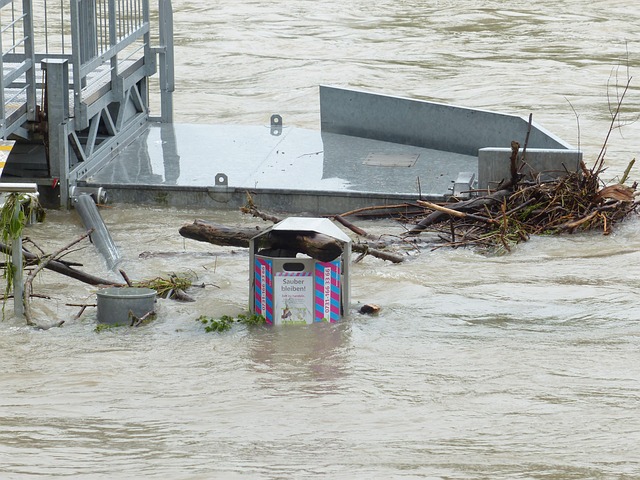
Basement flood cleanup naturally involves addressing causes like excess rainfall, poor drainage, and aging infrastructure through proactive measures s…….
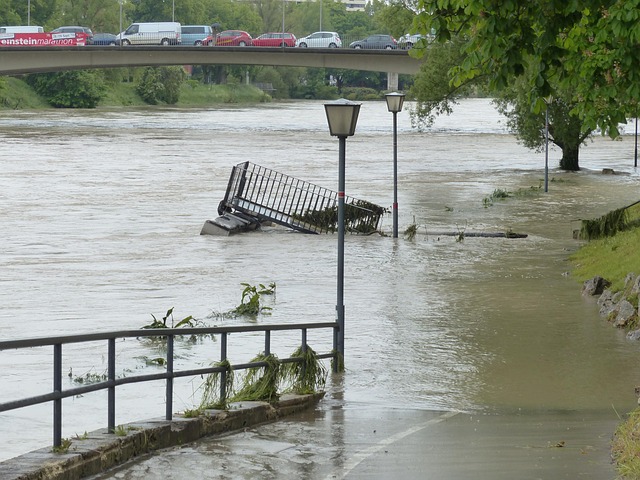
Prompt, systematic basement flood cleanup naturally prevents long-term damage and mold growth. Assess water levels, take safety precautions, and begin…….
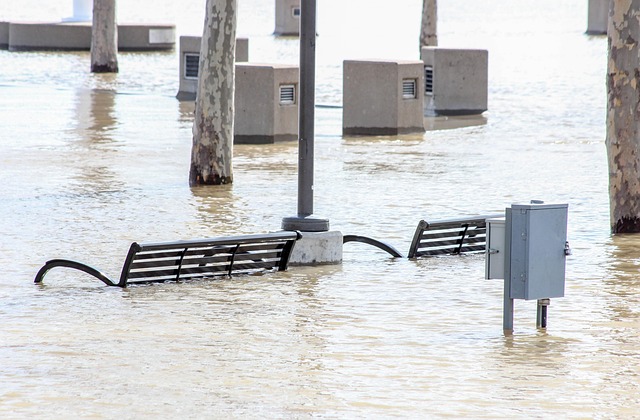
Early detection is crucial for basement flood cleanup naturally. After immediate safety measures, remove standing water, assess damage, and ensure pro…….
![Basement Flood Cleanup & Revitalization: Trusted Restoration in [Region]](https://respectedbusinesses.com/wp-content/uploads/2026/07/basement-flood-cleanup-640x480-56616839.jpeg)
Basement flood cleanup naturally involves a multi-step process. Key steps include initial safety measures, water removal, identifying root causes, pre…….

Basements require proactive flood prevention: regular inspections, sealing entry points, proper drainage, and ventilation. Early detection of moisture…….

Prompt basement flood cleanup (within 24-48 hours) using natural solutions prevents mold growth and protects homes in prone areas. Key steps include:1…….
Basement flood cleanup requires a systematic approach focusing on swift action to prevent mold growth and structural damage. Inspect for seepage, addr…….