






Basement floods caused by heavy rainfall, sewer backups, or burst pipes require immediate action to stop water inflow and prevent mold growth within 24-48 hours. Regular inspections are crucial for homeowners in flood-prone areas. Natural solutions like improved drainage systems and absorbents (calcium chloride, silica gel, rice, wheat straw) offer sustainable, cost-effective basement flood cleanup methods. Post-flood, proper ventilation and dehumidification prevent further damage. Safe, eco-friendly practices, including using vinegar and baking soda, should be prioritized. Long-term strategies involve enhancing drainage systems, regular maintenance, and proactive measures based on local weather patterns to reduce future flooding.
Basement water extraction is a critical aspect of property maintenance, especially with the increasing frequency and intensity of extreme weather events. Prompt action during a basement flood is crucial to mitigate damage and prevent long-term complications. Traditional methods often involve chemical-laden solutions that can leave residual issues. However, natural basement flood cleanup offers an eco-friendly alternative, eliminating the need for harsh chemicals while effectively removing water and moisture. This article delves into the science behind swift, natural basement water extraction, providing homeowners with a comprehensive guide to restore their properties safely and sustainably.
- Understanding Basement Floods: Causes and Immediate Actions
- Natural Solutions for Efficient Basement Water Extraction
- The Role of Absorbent Materials in Basement Drying
- Ventilation and Dehumidification: A Key to Post-Flood Cleanup
- Safe and Eco-Friendly Cleaning Practices for Basement Floods
- Preventing Future Basement Floods: Long-Term Solutions
Understanding Basement Floods: Causes and Immediate Actions

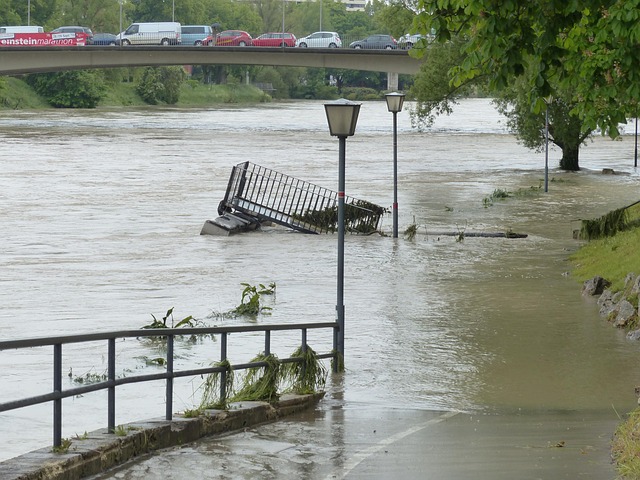
Basement floods can be devastating, often leading to extensive water damage and potential mold growth—a serious concern for any homeowner. Understanding the causes of these floods is the first step in effective basement flood cleanup naturally. Common triggers include heavy rainfall, sewer line backups, burst pipes, or poor drainage systems. When a basement floods, immediate action is crucial to minimize damage. The initial response should focus on stopping water inflow and preventing further seepage, such as closing main valves and addressing visible entry points.
Once the floodwaters recede, careful assessment becomes paramount. Homeowners in areas prone to flooding, like those near rivers or with historical drainage issues (e.g., Brooklyn Bridge), should conduct regular basement mold inspections. Mold can begin forming within 24-48 hours of water intrusion, posing health risks and contributing to structural deterioration if left unchecked. For instance, a study by the New York State Department of Health found that homes experiencing flood events had significantly higher levels of mold compared to unaffected controls, particularly in basements (data from 2016-2019).
Expert intervention is often required for comprehensive basement flood cleanup and expert mold removal Manhattan. Professional services, such as those offered by Property Restoration of the Capital Region, are equipped to handle severe water damage and subsequent mold remediation in Park Place or any location. Their teams employ advanced techniques tailored to each situation, ensuring not just surface cleaning but also addressing hidden moisture pockets and affected materials that could lead to future issues. Regular inspections and prompt action can help homeowners avoid costly repairs and potential health hazards associated with basement floods and ensuing mold growth.
Natural Solutions for Efficient Basement Water Extraction

Dealing with basement floods can be a daunting task, but embracing natural solutions for efficient basement water extraction offers a sustainable and cost-effective approach. In areas like Staten Island, where local emergency cleanup services are readily available, property owners have an additional layer of protection against the damaging effects of basement flooding. For instance, implementing proactive measures such as improving drainage systems and using natural absorbents can significantly reduce water intrusion.
In cities like Queens, where basement flooding solutions are constantly sought after, integrating environmentally friendly tactics into your property’s infrastructure has proven to be a game-changer. Water mitigation strategies that utilize materials like bentonite clay or absorbents made from natural substances not only minimize environmental impact but also effectively manage excess moisture. For example, in Prospect Heights, property restoration specialists have successfully employed these techniques, leading to reduced damage and faster recovery times for affected homes.
Property Restoration of the Capital Region emphasizes the importance of understanding local conditions and seeking expert advice tailored to specific needs. By combining traditional methods with innovative natural solutions, homeowners can achieve comprehensive basement flood cleanup while promoting sustainability. This holistic approach ensures that not only is water extracted efficiently, but also that the underlying causes of flooding are addressed in a way that benefits both the environment and the property’s long-term resilience.
The Role of Absorbent Materials in Basement Drying
The effective basement flood cleanup involves more than just removing standing water; it requires a strategic approach to mitigate damage and ensure a swift return to normalcy. One critical component often overlooked in this process is the utilization of absorbent materials, which play a pivotal role in drying out basements efficiently and naturally. These materials not only absorb excess moisture but also help prevent mold growth, a common concern after basement floods.
When water infiltrates into a basement, it can leave behind significant moisture, creating an ideal environment for mold and mildew to thrive. Absorbent materials act as a natural barrier against this by drawing the moisture out of the affected areas. Common options include calcium chloride, silica gel, and even natural materials like rice or wheat straw. These substances are strategically placed in areas hit hardest by the flood, where they continuously absorb water vapor, gradually drying out the space. For instance, a study conducted by the Brooklyn Museum on restorative cleaning techniques highlighted the effectiveness of silica gel packets in controlling humidity during restoration projects, a method that can be applied to basement flood cleanup naturally.
Professional flood cleanup services, such as those offered by Property Restoration of the Capital Region and other experts in Astoria and Flatbush Avenue, often incorporate these materials into their comprehensive basement water damage repair strategies. By combining absorbent materials with advanced drying techniques, they ensure thorough desiccation, reducing the risk of structural and health issues associated with prolonged moisture exposure. This method is particularly crucial for preventing long-term damage and costly renovations, making it a valuable tool in the arsenal of any flood cleanup specialist.
Ventilation and Dehumidification: A Key to Post-Flood Cleanup

After a basement flood, proper ventilation and dehumidification are crucial steps in effective basement flood cleanup naturally. This process not only helps remove moisture from the air but also prevents further water damage to your home. In areas like Bushwick, Prospect Heights, and Bay Ridge where homes are prone to basement flooding, implementing robust basement water damage prevention tactics is essential. For instance, ensuring adequate ventilation by installing exhaust fans or opening windows can significantly reduce humidity levels, creating an environment that discourages mold growth and slows the deterioration of affected materials.
Dehumidifiers play a similarly vital role in home improvement after flooding. By drawing moisture from the air, these devices lower humidity to safe levels, promoting faster drying times for water-damaged surfaces. According to studies, maintaining relative humidity below 50% is recommended to prevent mold growth and ensure optimal conditions for basement flood cleanup naturally. Property Restoration of the Capital Region, a leading expert in water mitigation tactics, emphasizes that proactive measures like these can save thousands in restoration costs and protect the health and safety of your family.
In addition to active ventilation and dehumidification systems, consider implementing passive strategies such as increasing airflow through ceiling vents or using desiccant materials to absorb moisture. Regular inspections and maintenance are also key to identifying potential issues before they turn into costly basement water damage. By combining these prevention tactics with swift action during post-flood cleanup, homeowners in affected areas can mitigate damage and ensure a faster return to normalcy.
Safe and Eco-Friendly Cleaning Practices for Basement Floods
When facing a basement flood, prioritizing safe and eco-friendly cleanup practices is essential for both your health and the environment. Traditional water removal services often rely on chemical-laden solutions that can leave behind residual contaminants. For areas like Downtown Brooklyn or Bay Ridge, where environmental sensitivity is paramount, opting for natural basement flood cleanup methods becomes not just a preference but a responsible choice.
Remediating water damage naturally involves employing techniques that minimize the use of harsh chemicals and focus on effective yet environmentally benign solutions. For instance, using vinegar as a disinfectant is a well-known approach; it’s safe on surfaces, breaks down organic matter, and leaves no toxic residue. Additionally, absorbing liquids with materials like baking soda or cat litter can help in mopping up excess water before professional cleaning begins. These tactics not only reduce environmental impact but also ensure safer conditions for residents, especially those with sensitivities or young children.
In the broader context of basement water damage prevention, proactive measures are key. Property owners in areas prone to flooding, such as Park Place, can implement strategies like improving drainage systems, using waterproof barriers, and maintaining proper sump pump functionality. Regular inspections and timely maintenance of these systems can significantly reduce the likelihood and severity of future basement floods.
For comprehensive assistance, turning to experts in water removal services like Property Restoration of the Capital Region is advisable. They offer specialized knowledge and equipment tailored for efficient and eco-conscious basement flood cleanup, ensuring not only effective remediation but also a healthier and safer living environment.
Preventing Future Basement Floods: Long-Term Solutions

Basement flood cleanup is a critical aspect of preventing future basement floods. While immediate emergency response for flooding in areas like the East Village or Staten Island is crucial, long-term solutions are essential to safeguard your property from repeated damage. After every flood event, it’s important to conduct thorough inspection and extraction to remove excess water and moisture. This process not only includes emergency cleanup services but also implementing preventive measures that address the root causes of basement flooding.
One effective strategy is to enhance drainage systems around your home, ensuring water flows away from the foundation. This may involve clearing debris from gutters and downspouts, installing french drains or sump pumps, and sealing any cracks or gaps in the basement walls. For instance, property owners in Carroll Gardens have benefited from expert advice on flood damage, incorporating these preventive measures to mitigate potential flooding. Additionally, using natural products for cleaning and drying can be preferable over chemical-laden commercial solutions, promoting a healthier environment within your home.
Another key element is addressing any structural issues that may contribute to flooding. This could include regrading the landscape to slope away from the house or repairing/replacing faulty pipes or appliances that leak water. Property Restoration of the Capital Region, for example, has successfully helped numerous clients by not only providing emergency response for flooding but also offering comprehensive solutions tailored to each unique situation. Regular maintenance and inspections are vital to catch potential problems early, preventing minor issues from escalating into major basement flood cleanup headaches.
Long-term strategies also encompass educating yourself on the specific causes of flooding in your area and taking proactive steps to mitigate them. Understanding local weather patterns, climate changes, and geographical features can guide you in making informed decisions about your home’s protection. By combining these measures with expert advice from professionals like those offered by local emergency cleanup services, you can significantly reduce the likelihood of future basement floods and ensure a safer, more secure living environment.
By synthesizing insights from various aspects of basement flood cleanup, including understanding causes, employing natural solutions like absorbent materials, effective ventilation, safe cleaning practices, and long-term prevention strategies, readers are now equipped with a comprehensive toolkit for swift and thorough basement water extraction. The article has underscored the importance of immediate action, eco-friendly methods, and proactive measures to prevent future flooding, making it an authoritative guide for anyone facing—or preparing for—a basement flood. Through practical next steps and a deep understanding of the process, homeowners can now tackle basement flood cleanup naturally, ensuring their homes are restored efficiently and safely.