





A basement flood requires a swift and comprehensive response. Key steps for basement flood cleanup naturally include: assessing damage, documenting, testing water quality, removing non-salvable items, using natural methods like silica gel for humidity control, ventilating, and employing professional equipment for rapid drying to prevent mold. For severe cases, decontaminate and sanitize with eco-friendly agents. Quick action minimizes damage. Professional restoration offers specialized techniques, support, and expert advice. Long-term prevention involves addressing mold removal, installing waterproof barriers, maintaining drainage systems, using sump pumps, collaborating with local experts, and regular inspections for ongoing protection.
In the face of unpredictable weather patterns and natural disasters, basement flood cleanup remains a pressing concern for homeowners worldwide. When water intrudes, swift action is crucial to mitigate damage and promote healthy living environments. This is where an experienced basement water extraction team becomes invaluable. Their expertise lies in efficiently extracting standing water and drying affected areas, preventing mold growth and structural complications. We delve into the intricate processes and advanced techniques employed by these professionals, offering a comprehensive guide for effective basement flood cleanup—a natural response to unforeseen calamities.
- Assess Basement Flood Damage: Step-by-Step Guide
- Natural Solutions for Efficient Water Extraction
- Restoring Your Space: Drying and Cleaning Techniques
- Preventing Future Basement Floods: Proactive Measures
Assess Basement Flood Damage: Step-by-Step Guide

A thorough assessment is paramount when navigating the aftermath of a basement flood. This step-by-step guide provides an expert’s perspective on evaluating damage and initiating the basement flood cleanup process. First, inspect for visible signs such as water lines on walls, mold growth, or structural damage. Documenting these findings with high-resolution photographs serves as a crucial reference during restoration.
Next, test the water quality to determine potential hazards. Contaminated water may contain chemicals, bacteria, or other harmful substances requiring specialized cleanup methods. For instance, in areas like Manhattan Beach, where basement flooding is common, testing ensures safe handling and avoids further health risks. If necessary, evacuate items from the affected area, focusing on salvagable possessions that can be temporarily stored elsewhere.
The drying process is a critical phase in basement flood cleanup naturally. Professional equipment, such as high-capacity dehumidifiers, should be employed to expedite drying and prevent mold growth. Restoring your home to pre-flood condition requires consistent monitoring of moisture levels. For example, in Prospect Lefferts Gardens, where humidity can persist year-round, proper ventilation and air movement are essential during the drying phase.
Once the basement is dry, assess structural integrity and make necessary repairs. This may involve everything from fixing water-damaged drywall to reinforcing affected beams. In some cases, like Coney Island’s frequent encounters with flooding, homeowners might consider long-term preventative measures such as installing water barriers or flood protection systems. Remember, Property Restoration of the Capital Region offers comprehensive guidance for basement flooding repair, ensuring your home returns to its pre-flood condition efficiently and effectively.
Natural Solutions for Efficient Water Extraction

Basement flood cleanup can be a daunting task, but embracing natural solutions offers an efficient and sustainable approach for specialized teams like those in Queens and Chelsea who specialize in basement flooding solutions. Unlike traditional methods that rely heavily on chemicals and machinery, natural basement water extraction focuses on harnessing the power of air, heat, and special materials to restore your space quickly and safely. For instance, using moisture absorbers like silica gel or calcium chloride can draw out excess humidity, reducing water levels naturally while also minimizing the risk of mold growth associated with chemical-based methods.
In cases where basement flooding is severe, such as in Park Place, remediating water damage goes beyond extraction. It involves a comprehensive strategy that includes drying, decontaminating, and sanitizing affected areas. Natural ventilation techniques, combined with high-efficiency air movers, can expedite the drying process while ensuring optimal air quality. This method not only reduces the need for harsh chemicals but also provides a healthier environment for occupants post-disaster. Moreover, utilizing environmentally friendly cleaning agents derived from essential oils or plant extracts can effectively remove stains and odors without leaving behind toxic residues, aligning with the goals of many property owners seeking sustainable solutions.
The expertise of teams like Property Restoration of the Capital Region lies in customizing these natural basement flood cleanup techniques to meet specific needs. By understanding the unique dynamics of each flooding event—from water sources to structural considerations—restoration specialists can employ tailored strategies that address both immediate and long-term concerns. This holistic approach ensures not only the effective removal of standing water but also the preservation and protection of valuable possessions, structural integrity, and overall indoor air quality within the affected spaces.
Restoring Your Space: Drying and Cleaning Techniques
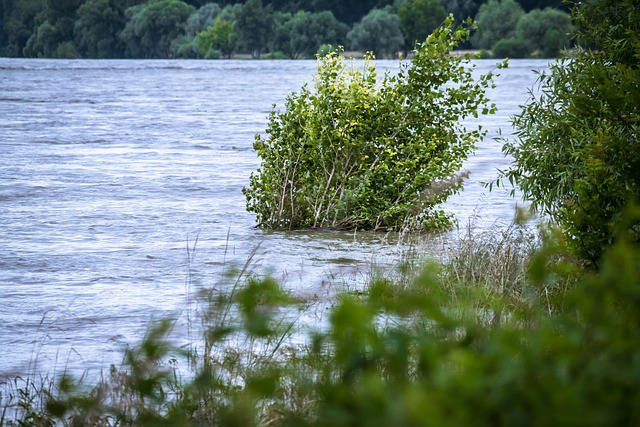
When your basement floods, quick action is crucial to minimize damage and restore your space. Beyond pumping out water, successful basement flood cleanup involves sophisticated drying and cleaning techniques. Property Restoration of the Capital Region, with expertise in local emergency cleanup services Staten Island and water removal services Downtown Brooklyn, offers valuable insights into this process.
Consider a comprehensive approach that combines advanced equipment like dehumidifiers and air movers with environmentally friendly cleaning solutions. These tools help remove moisture hidden in walls, floors, and appliances, preventing mold growth and structural issues. For instance, professional flood cleanup services Flatbush Avenue often employ infrared cameras to detect water infiltration in hard-to-reach areas, ensuring thorough drying.
Once the area is dry, a deep clean using non-toxic cleaners removes residual dirt, bacteria, and musty odors. This involves scrubbing surfaces, cleaning carpets thoroughly, and sanitizing affected items. It’s important to discard items severely damaged by water or mold, as they can harbor pathogens and contribute to ongoing problems.
Beyond the technical aspects, professional restoration companies prioritize emotional support during this challenging time. They guide homeowners through each step, offering expert advice tailored to their specific situation. Remember that proper drying and cleaning are essential for a successful basement flood cleanup, leading to a healthier and safer living environment.
Preventing Future Basement Floods: Proactive Measures

Preventing future basement floods is a proactive measure that goes beyond initial flood cleanup efforts. For residents in areas prone to such incidents, like those seeking basement flood cleanup naturally or facing recurring issues in the Bronx, Sunset Park, and Manhattan Beach, implementing robust strategies can significantly reduce the risk of damage. Dry out services are just one aspect; addressing mold removal and prevention is equally vital. According to recent studies, prompt action within 24-48 hours of flooding can minimize the growth of harmful mold, which is a common aftereffect of basement floods.
In cities like the Bronx and Manhattan Beach, where frequent storms and high water levels are not uncommon, proactive homeowners should consider long-term solutions. This includes investing in waterproof barriers, improving drainage systems around the property, and ensuring regular maintenance to prevent clogs or leaks. For instance, a well-maintained sump pump system can effectively remove excess water from basements, preventing floodwater from seeping through cracks. In Sunset Park, where historical data shows increased flooding during certain seasons, homeowners should collaborate with local experts in basement flooding repair to identify and mitigate potential entry points for water.
Moreover, beyond the initial cleanup and repair, addressing mold removal and prevention is crucial. Mold thrives in damp environments, and left untreated, it can cause significant health issues. Professional mold removal services, coupled with ongoing maintenance like regular inspections and humidity control, can create an unwelcome environment for mold growth. As a testament to this, Property Restoration of the Capital Region has successfully assisted numerous clients in navigating basement flood cleanup naturally and minimizing subsequent damage through integrated solutions. By combining dry out services, mold remediation, and preventative measures, homeowners can protect their properties and ensure a healthier living environment.
By following a structured approach to assess basement flood damage, employing natural solutions for efficient water extraction, and implementing proven drying and cleaning techniques, homeowners can effectively navigate basement flood cleanup naturally. The article’s key insights emphasize the importance of proactive measures to prevent future basement floods, such as sealing entry points and maintaining proper drainage systems. Through these comprehensive steps, readers now possess the knowledge to not only mitigate immediate damage but also to safeguard their homes against potential future inundations, ensuring a safer, drier, and more comfortable living environment.