







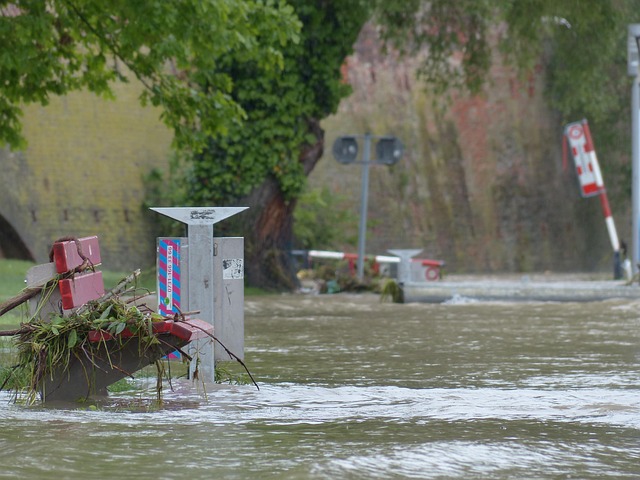
Basement flood cleanup naturally requires addressing root causes like poor drainage, outdated systems, and cracks. Preventative measures include improved drainage, regular sump pump maintenance, and prompt crack repairs. After a flood, turn off power, remove water, dry the area, and inspect for damage. Long-term protection involves strategic drainage systems, natural materials, and regular inspections for sustained prevention in vulnerable areas like Coney Island Park and DUMBO.
Basement flooding can wreak havoc on homes and belongings, causing significant damage and distress for homeowners. As a common yet often overlooked issue, effective solutions are crucial to mitigate the effects of these incidents. In this article, we delve into the heart of the problem and offer a comprehensive guide to local basement flood cleanup naturally, providing practical insights to restore your space safely and efficiently. Our expertise ensures you receive valuable, actionable steps to tackle this challenging situation head-on.
- Identifying Basement Flooding Causes and Prevention Strategies
- Efficient Basement Flood Cleanup: Step-by-Step Guide for Natural Results
- Long-Term Solutions: Protecting Your Home from Future Basement Floods Naturally
Identifying Basement Flooding Causes and Prevention Strategies

Basement flooding can cause significant damage to a home, with water infiltrating through cracks, seeping from windows, or backing up from overloaded sewer systems. Identifying the root cause is the first step in effective prevention and subsequent basement flood cleanup naturally. In areas prone to heavy rainfall like Coney Island Park or DUMBO, understanding these causes is crucial for homeowners looking to protect their properties. For instance, in Howard Beach, where residents have historically dealt with flash flooding, taking proactive measures can prevent extensive water damage and facilitate faster home restoration after heavy flooding.
Common causes include poor drainage around the foundation, outdated or blocked stormwater systems, inadequate sump pumps, and cracks or gaps in walls or floors that allow water intrusion. For instance, a recent study found that over 60% of basement floods are attributed to improper drainage within 50 feet of a structure. Addressing these issues involves implementing effective drainage solutions like installing additional downspout extensions, directing stormwater away from the foundation, and ensuring sump pumps are functioning properly and regularly maintained.
In addition to structural measures, expert advice on flood recovery plays a vital role in home restoration after heavy flooding. The first 24-48 hours following a basement flood are critical for mitigating damage. Homeowners should begin by shutting off power to affected areas to prevent electrical hazards and then start the process of drying out your home after a flood. This involves using high-quality dehumidifiers, fans, and other specialized equipment to remove moisture from walls, floors, and belongings. In fact, Property Restoration of the Capital Region emphasizes that prompt action and professional assistance can significantly reduce secondary damage and accelerate the restoration process.
Preventative strategies require ongoing maintenance and vigilance. Regularly inspecting and cleaning stormwater drains, downspouts, and gutters ensures proper water flow away from the home. Repairing any identified cracks or gaps promptly prevents water from seeping in during heavy rainfall events. Moreover, investing in a reliable sump pump system and ensuring it is regularly tested and maintained can significantly reduce the risk of basement flooding. By combining these proactive measures with expert advice on flood recovery, homeowners in areas like Coney Island Park, DUMBO, and Howard Beach can protect their properties from the devastating effects of basement floods and ensure faster, more effective home restoration.
Efficient Basement Flood Cleanup: Step-by-Step Guide for Natural Results

Basement flood cleanup requires a strategic approach for effective results. When faced with water intrusion, homeowners often seek natural solutions to mitigate damage and restore their spaces. This guide offers a step-by-step framework for achieving efficient basement flood cleanup, focusing on eco-friendly methods and long-term prevention.
The initial step involves immediate action: turning off the main water supply to prevent further flooding. Once secure, removal of standing water should be prioritized. In Prospect Heights or Flatbush, swift flood removal techniques like absorbent materials and professional-grade pumps can significantly reduce moisture levels. For instance, using towels, burlap bags, or specialized water extraction machines can extract excess water efficiently. After this initial phase, drying out the basement thoroughly is crucial. This process may take several days, and employing fans, dehumidifiers, or even heaters can aid in expediting it.
As flooding repairs progress, addressing the root cause of the problem becomes essential. Water mitigation tactics should focus on identifying and fixing leaks or structural issues leading to water intrusion. In Manhattan Beach or any other affected area, professionals often recommend inspecting pipes, seals, and drainage systems for damage. Proper sealing and repair ensure that future rainfall doesn’t lead to similar incidents. Finally, after cleanup and repairs, implementing preventive measures can save homeowners from future headaches. This includes investing in water-resistant coatings, improving drainage around the foundation, and regularly checking and maintaining sump pumps. Property Restoration of the Capital Region emphasizes these steps as vital for effective basement flood cleanup and long-term protection against water damage.
Long-Term Solutions: Protecting Your Home from Future Basement Floods Naturally

Basement flooding is a common yet disruptive problem faced by many homeowners across the country, including the vibrant communities of Bensonhurst, Manhattan Beach, and Howard Beach. As the climate continues to change, these issues are becoming increasingly prevalent, leading to significant damage and costly repairs. While short-term solutions like water extraction and pumping services (like those offered by Property Restoration of the Capital Region) are essential for immediate relief, long-term protection is crucial to prevent recurring basement flood cleanup scenarios. This comprehensive approach involves a combination of strategic planning, natural barriers, and proactive measures that empower homeowners to safeguard their properties effectively.
One of the most effective natural strategies is implementing proper drainage systems. Homeowners should ensure that rainwater is directed away from their foundations through well-designed downspout extensions and drainage channels. By redirecting water flow, you minimize the risk of water pooling around your basement walls. Additionally, installing French drains or sump pumps can further enhance this protection. These systems actively remove excess moisture, providing a robust defense against potential floods. For instance, many successful basement flood cleanup naturally cases in Howard Beach involve homeowners who integrated these drainage solutions into their properties’ infrastructure.
Restoring homes after a basement flood necessitates a multi-faceted approach. Homeowners should also consider the power of nature to their advantage by employing natural materials and techniques. For example, using permeable pavers or planting specific types of vegetation around the foundation can absorb and filter water, reducing the strain on drainage systems. In some cases, strategic landscaping can even help lower basement humidity levels, making the space less susceptible to mold growth post-flooding. Expert advice on flood recovery emphasizes the importance of these natural solutions in combination with traditional repair methods, ensuring a more comprehensive and sustainable outcome for affected properties in Manhattan Beach and beyond.
By addressing basement flooding issues through comprehensive prevention strategies and implementing effective basement flood cleanup naturally, homeowners can significantly mitigate potential damage. Identifying and understanding the root causes, such as poor drainage or weather events, is key to developing long-term solutions. The step-by-step guide offered in this article provides practical tools for efficient cleanup, ensuring homes are restored safely and naturally. Moreover, adopting natural protection methods outlined in the article can fortify homes against future floods, offering lasting peace of mind. Armed with these insights, readers are empowered to take proactive measures, enhancing their home’s resilience and safeguarding their investments.