






Basements are essential areas of our homes, offering storage space and sometimes additional living or entertainment zones. However, they can also be breeding grounds for mold and bacteria due to their damp and often isolated nature. Urgent basement cleaning and sanitizing are crucial steps in maintaining a healthy home environment, especially after potential basement flood cleanup events. Traditional methods often rely on harsh chemicals, but we offer a natural alternative focusing on environmentally friendly practices. This article delves into the issues stemming from inadequate basement maintenance and presents an effective, eco-conscious solution for thorough cleaning and sanitization.
- Assessing Basement Flood Damage and Safety
- Natural Cleaning Solutions for Effective Sanitization
- Restoring Your Basement: Step-by-Step Guide
Assessing Basement Flood Damage and Safety
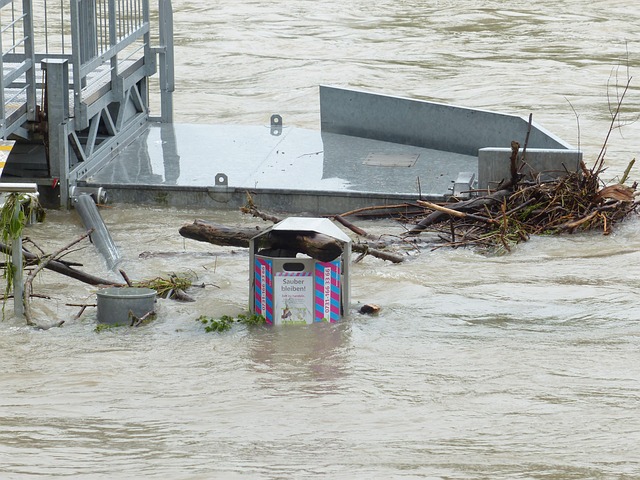
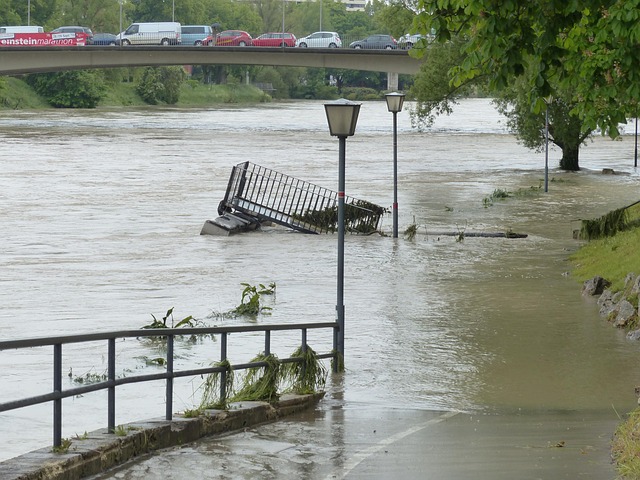
Assessing basement flood damage and prioritizing safety is a crucial first step in any basement cleanup process. In regions like Bay Ridge and Bensonhurst where basement water damage prevention tactics are essential due to frequent flooding, homeowners must be prepared with an actionable plan. The scope of work extends beyond mere cleaning; it involves identifying and mitigating potential health hazards, structural instability, and mold growth—a process that requires expert knowledge and specialized equipment.
Take, for instance, the experience at the Brooklyn Museum, where a major flood event underscored the importance of restorative cleaning techniques in preserving historical artifacts. Similarly, homes in Bensonhurst, following a basement flood, require a meticulous approach to restore them to their pre-loss condition. This includes not only removing water and dampness but also using natural, environmentally friendly methods for basement flood cleanup, such as extracting moisture with fans and dehumidifiers, and employing non-toxic cleaning agents.
Prevention is equally vital to avoid the extensive damage and costly repairs associated with recurrent basement floods. Homeowners in areas prone to such incidents can mitigate risks by installing water barriers, improving drainage systems, and using waterproof membranes. As a professional restoration service like Property Restoration of the Capital Region would advise, regular inspections and proactive measures are key to safeguarding your home from potential water damage. By combining effective preventive tactics with comprehensive restorative cleaning techniques, you not only protect your property but also ensure the health and safety of your family.
Natural Cleaning Solutions for Effective Sanitization
When dealing with a basement flood, one of the most critical steps in the cleanup process is effective sanitization. While many turn to chemical-laden products for this task, there are powerful and natural cleaning solutions that can achieve the same level of sanitation without compromising indoor air quality or safety. Property Restoration of the Capital Region, an expert in both basement flood cleanup naturally and drying out after a flood Coney Island, emphasizes the importance of these natural methods not just for environmental reasons but also for the health and well-being of those living or working in the affected areas.
For instance, using white vinegar as a disinfectant is an eco-friendly alternative to harsh chemicals. It’s effective against various bacteria, fungi, and viruses without leaving behind harmful residues. Similarly, baking soda acts as a natural deodorizer and can help neutralize odors caused by mold and mildew, a common issue after basement flooding in Crown Heights or other areas prone to such incidents. Essential oils like tea tree oil possess antimicrobial properties, making them excellent additions to cleaning solutions for added protection against microscopic threats.
In addition to these homemade remedies, professional flood cleanup services on Flatbush Avenue can implement advanced drying techniques and use specialized equipment to remove moisture quickly and thoroughly. This not only aids in the sanitization process but also prevents further damage to personal belongings and structures. For instance, high-efficiency particulate air (HEPA) filters can trap microscopic particles, including mold spores, improving indoor air quality once the basement is dried out. It’s essential to address flooding promptly and turn to professionals like Property Restoration who employ these modern, natural, and effective methods for comprehensive basement flood cleanup.
Restoring Your Basement: Step-by-Step Guide
Restoring your basement after a flood is a crucial step in returning your home to its pre-disaster condition, especially in areas like Bensonhurst, the Upper West Side, or anywhere prone to water intrusion. Basement flood cleanup naturally involves more than just mopping; it’s a multi-step process that requires careful consideration and expert knowledge to ensure thorough disinfection and preservation of your space. This guide provides a comprehensive framework for restoring your basement, focusing on both efficiency and effectiveness.
The initial step is assessing the extent of damage. Inspect your basement thoroughly, documenting water levels and affected areas. This information guides your cleanup strategy. Next, it’s crucial to remove all standing water as quickly as possible to prevent mold growth and structural damage. Utilize professional-grade pumps or buckets to evacuate water efficiently. Once empty, begin drying out the area using fans, dehumidifiers, or a combination of both. Aim for relative humidity levels below 50% to inhibit mold development. Remember, proper ventilation is paramount during this phase.
After drying, address sanitization. Floodwater can carry harmful bacteria and contaminants, necessitating a deep clean. Use non-toxic, environmentally friendly cleaning solutions recommended by flood cleanup professionals serving the Williamsburg Bridge area (or your specific location). Focus on high-touch surfaces like walls, floors, and baseboards. For severe cases, consider hiring specialists in restorative cleaning after a flood from Property Restoration of the Capital Region, who can provide advanced equipment and expertise to ensure thorough disinfection. Regularly test air quality during cleanup to monitor mold spores and ensure a safe environment for your family.
Finally, once cleaning is complete, inspect for any structural damage and make necessary repairs. This might include replacing drywall, reinforcing foundations, or addressing water-related issues with pipes and electrical systems. Remember, prompt action is key to mitigating potential health risks and preventing future basement flood damage.
After thoroughly assessing basement flood damage, prioritizing safety, and exploring natural cleaning solutions for effective sanitization, it’s clear that a systematic approach is key to successful basement flood cleanup naturally. The step-by-step guide highlights the importance of immediate action, thorough drying, and proper disinfection techniques to prevent mold growth and ensure a healthy environment. By adopting these strategies, homeowners can effectively restore their basements, mitigating potential health risks and preserving the structural integrity of their homes. This article has provided authoritative insights that equip readers with the knowledge and tools necessary for tackling basement flood cleanup head-on, promoting proactive and effective restoration practices.
Basement Flood Cleanup: A Comprehensive Guide
Safety and health hazard mitigation are paramount after a basement flood. This involves structural assessment, quick standing water removal, and professional drying methods to inhibit mold growth. Use natural, non-toxic cleaning agents for deep sanitization, focusing on high-touch surfaces. Regular air quality testing ensures safety during cleanup. Structural repairs follow, addressing potential damage from water intrusion. Preventive measures like water barriers and drainage systems reduce future risks. Combine these tactics for effective basement flood cleanup naturally and property protection.