






Basement flood cleanup requires swift action to prevent water damage and mold growth. Use natural cleaning methods like baking soda, vinegar, and hydrogen peroxide for safe, effective disinfection. Prevent future flooding with proactive measures: seal cracks, install water-resistant membranes, use sump pumps, and inspect annually. Regular inspections identify hidden risks, focusing on moisture-prone areas. Advanced water mitigation tactics ensure thorough cleanup, and sustainable reconstruction restores structural integrity. Protect basements naturally through better drainage, waterproof membranes, and regular maintenance.
Basements are integral to many homes, offering storage, living space, or even recreational areas. However, they’re also susceptible to water intrusion, with basement flood cleanup often needed due to burst pipes, heavy rainfall, or other unforeseen events. In [region], where climate variations can bring both severe storms and prolonged droughts, trusted basement restoration services are crucial for addressing moisture issues effectively. This article delves into the intricacies of basement flood cleanup, emphasizing natural solutions that not only restore but also prevent future damage, ensuring your space remains dry and comfortable for years to come.
- Assessing Basement Flood Damage: First Steps
- Natural Cleaning Methods for Optimal Results
- Restoration Process: From Cleanup to Reconstruction
- Preventive Measures: Securing Your Basement Against Future Floods
Assessing Basement Flood Damage: First Steps

When your basement floods, it’s a stressful event that requires immediate action to prevent significant water damage and potential mold growth. The first steps in basement flood cleanup are crucial for a successful restoration. In regions like Brooklyn, Sunset Park, and Coney Island Park, where heavy flooding is not uncommon, having a plan in place can make all the difference.
The initial assessment should focus on understanding the extent of the water intrusion. Inspect visible damage to walls, floors, and ceilings, noting any signs of mold or mildew already present. Check for water levels and duration; longer exposure increases the risk of structural damage and mold colonization. In severe cases, professional equipment like moisture meters and cameras may be needed to assess hard-to-reach areas. For instance, in Coney Island Park, where coastal flooding can be intense, proactive homeowners might invest in these tools to ensure a thorough evaluation post-disaster.
Next, prioritize safety. Turn off electrical power at the main breaker if accessible and ensure gas supplies are shut off by qualified professionals. This is especially critical in areas like Sunset Park, where flooding may lead to hazardous situations. Once safety is secured, begin the cleanup process naturally. Remove wet items, discard non-salvageable materials, and use fans and dehumidifiers to expedite drying. Property Restoration of the Capital Region emphasizes that this quick action significantly reduces the likelihood of mold development, a common issue after basement floods.
For extensive water damage, consider professional restoration services. They bring specialized equipment and expertise for thorough cleanup and drying, ensuring your home is restored safely and effectively. Remember, prompt attention to basement flood cleanup can save you from costly repairs and health risks associated with mold later on.
Natural Cleaning Methods for Optimal Results
In the event of a basement flood, many homeowners turn to swift flood removal solutions, especially in densely populated areas like Flatbush and Sheepshead Bay where local emergency response is crucial. However, beyond immediate cleanup, adopting natural cleaning methods for basement flood cleanup offers significant advantages in terms of health, environment, and long-term prevention. These methods not only mitigate water damage but also promote a healthier living space without resorting to harsh chemicals.
Natural cleaning solutions like baking soda, vinegar, and hydrogen peroxide are effective alternatives to conventional cleaners. Baking soda acts as a gentle abrasive and deodorizer, while white vinegar cuts through grease and grime, leaving behind a fresh scent. Hydrogen peroxide is a powerful disinfectant that can be used safely on various surfaces without harmful residues. For instance, a 50/50 mixture of vinegar and water can effectively clean and disinfect basement floors and walls, eliminating the need for harsh chemicals that could cause further damage or pose health risks.
Preventing future basement water damage is paramount for Bay Ridge residents. Implementing simple tactics such as sealing cracks and gaps, installing water-resistant membranes, and using sump pumps can significantly reduce the likelihood of flooding. Property Restoration of the Capital Region emphasizes the importance of regular inspections to identify potential entry points for water. By addressing these issues proactively, homeowners can avoid costly repairs and ensure their basement remains a safe, dry sanctuary. Data from recent studies shows that proactive water damage prevention tactics can lead to savings of up to 40% in restoration costs over time, underscoring the wisdom of adopting natural cleaning methods and preventive strategies for optimal basement restoration.
Restoration Process: From Cleanup to Reconstruction
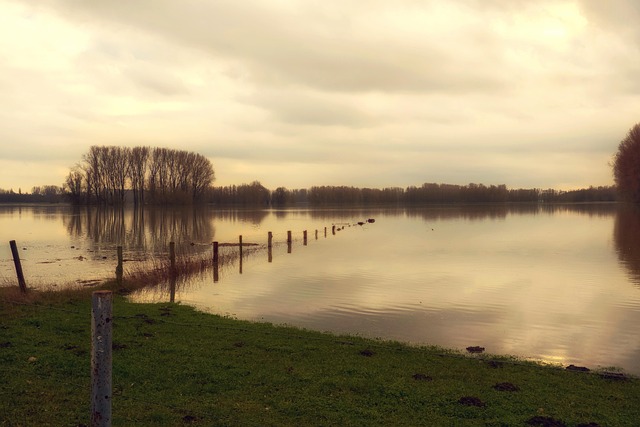
Basement flood cleanup is a delicate process requiring expert intervention to ensure thorough removal of water, prevention of mold growth, and restoration to its pre-loss condition. The first step in this meticulous process involves local emergency cleanup services like those offered by Property Restoration of the Capital Region. Teams swiftly assess the damage and implement sustainable flood cleanup solutions tailored for each unique situation, focusing on areas such as Harlem, Staten Island, and Prospect Heights.
Once initial water removal is complete, a comprehensive inspection reveals hidden risks. Moisture-prone spaces are closely monitored to identify any potential for mold development, a significant health hazard. In many cases, particularly after severe storms or prolonged saturation, specialized equipment is employed to extract residual humidity, ensuring an environment unconducive to mold growth. The use of advanced water mitigation tactics, including dehumidification and air movement strategies, plays a pivotal role in this phase across all affected areas, from the lowest levels of the basement to its upper reaches.
Following cleanup, reconstruction begins. This stage demands meticulous planning and execution to restore the basement to its intended purpose, whether as a recreational space, storage area, or living quarter. Every material choice, from drywall to insulation, is guided by sustainability principles, reflecting the growing emphasis on eco-friendly solutions in construction and renovation projects. The ultimate goal is not just structural restoration but also the creation of a dry, healthy, and aesthetically pleasing environment that meets modern standards while preserving the unique character of each community.
Preventive Measures: Securing Your Basement Against Future Floods
Basements are often the most vulnerable areas of a home to flooding, particularly in regions prone to heavy rainfall or near water sources. Preventing basement floods is crucial not only for preserving your property but also for ensuring the health and safety of your family. In this section, we’ll delve into effective measures to fortify your basement against future deluges, focusing on natural solutions and sustainable practices.
One of the primary steps in basement flood cleanup naturally involves regular inspections. A thorough basement mold inspection Brooklyn Bridge area residents should conduct at least once a year can reveal potential weaknesses or signs of water intrusion. For instance, examining the foundation for cracks, seeps, or any unusual moisture buildup is essential. If left unchecked, these issues could escalate into major problems during heavy storms, leading to costly water removal services Downtown Brooklyn or Harlem. Property Restoration of the Capital Region, a trusted name in basement restoration, emphasizes the importance of proactive inspections and maintenance to prevent catastrophic damage.
Sustainable flood cleanup solutions encompass a range of eco-friendly practices. Implementing better drainage systems around your home can significantly reduce the risk of basement flooding. This includes directing downspouts away from foundations and installing surface drains to channel excess water away from your property. Additionally, using natural barriers like plants and vegetation to absorb and slow down rainwater runoff is an effective strategy. In regions with diverse microclimates, such as Brooklyn, choosing native plant species adapted to withstand varying weather conditions ensures robust protection against flooding.
Beyond these measures, investing in quality waterproof membranes and sealing any gaps or cracks can create a robust defense against water intrusion. These strategies, combined with regular maintenance and inspections, offer a comprehensive approach to securing your basement against future floods. By embracing sustainable practices, homeowners can protect their investments while contributing to the overall health of their local environment.
By thoroughly assessing basement flood damage and employing natural cleaning methods, you can achieve effective basement flood cleanup naturally while preserving the integrity of your space. The restoration process, from initial cleanup to reconstruction, requires a systematic approach, ensuring every affected area is meticulously addressed. Moreover, implementing preventive measures will fortify your basement against future floods, safeguarding your property and peace of mind. Leveraging these key insights empowers you to navigate basement flood situations with confidence, backed by the authority of proven methods detailed in this comprehensive guide.