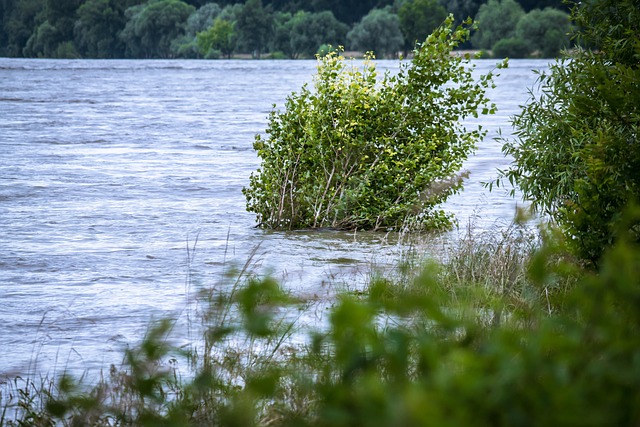







Basement flood cleanup naturally is a multi-step process emphasizing timely action to prevent mold growth and structural damage. Initial steps include extracting water, drying spaces with fans/dehumidifiers, and using natural cleaning solutions like vinegar, baking soda, and tea tree oil. For severe cases, professional assistance may be required for specialized equipment and expertise in damp basement remediation. Regular inspections and ventilation are crucial for long-term protection in areas prone to flooding. Sanitization with non-toxic methods ensures a safe, healthy environment. Local experts recommend tailored solutions for specific neighborhoods, focusing on drying and preventing future incidents to preserve home integrity.
In many homes, the basement serves as a vital space for storage, recreation, or even living quarters. However, it’s often overlooked when it comes to cleaning and sanitizing, which can prove detrimental. Basements are particularly susceptible to moisture issues, mold growth, and pest infestations—problems that require prompt and effective solutions. Urgent basement cleaning and sanitizing are essential not just for maintaining a healthy living environment but also for preventing costly damage from water leaks or catastrophic basement floods. This article delves into the intricate process of basement flood cleanup naturally, offering expert insights to ensure your space remains safe, clean, and livable.
- Assessing Basement Water Damage: First Steps
- Natural Solutions for Basement Flood Cleanup
- Removing Mold: A Critical Post-Flood Task
- Deep Cleaning: Tackling Musty Odors Naturally
- Sanitization Techniques: Choosing Safe, Non-Toxic Methods
- Drying and Preventing Future Basement Floods
Assessing Basement Water Damage: First Steps

Assessing basement water damage is a critical first step when addressing any flooding event. This initial evaluation determines the extent of the damage and guides the subsequent cleanup and restoration process. In cases of basement floods, whether due to heavy rainfall, burst pipes, or other causes, timely action is crucial to prevent further deterioration and mold growth. Homeowners in Manhattan Beach or Bushwick experiencing basement flooding should prioritize natural, effective cleanup methods that cater to their specific needs.
The first step involves a thorough inspection to identify the source of the water intrusion and assess its impact. Look for visible signs like water stains, peeling paint, warped floors, or mold growth. Measure and document affected areas using tools like moisture meters and digital cameras. This data is invaluable when determining cleanup priorities and budgeting for repairs. For instance, a study by the Insurance Institute for Business & Home Safety found that 40% of homeowners lacked awareness about water damage risks, leading to prolonged remediation times and higher costs.
Once the scope of damage is established, it’s time to focus on basement flood cleanup naturally. This could involve extracting standing water using pumps or mops, drying out the space with fans and dehumidifiers, and employing natural cleaning solutions like baking soda and vinegar for surfaces. For deeper issues, consider professional assistance, especially in cases of severe flooding, such as those requiring specialized equipment for complete basement flooding repair Manhattan Beach or Long Island homes. Home improvement after flooding Bushwick can be a complex process, necessitating expertise in damp basement remediation to mitigate mold and structural damage, as underscored by Property Restoration of the Capital Region’s successful interventions across the region.
Natural Solutions for Basement Flood Cleanup

Basement flood cleanup naturally is a critical step in mitigating water damage and restoring your home to its pre-disaster condition. In areas prone to basement flooding, such as Manhattan Beach or Astoria, timely action is essential to prevent long-term issues like mold growth and structural degradation. Unlike conventional methods that rely heavily on chemicals, natural solutions offer a safer, eco-friendly approach for basement flood cleanup. For instance, using white vinegar, a common household ingredient, can effectively kill bacteria and break down organic compounds without leaving harmful residues.
In the aftermath of a basement flood, water extraction is the first priority. Upper West Side residents often turn to professional services like Property Restoration of the Capital Region for efficient water removal. However, natural methods play a complementary role in the cleanup process. Baking soda, for example, can be sprinkled across affected areas to absorb excess moisture, while essential oils like tea tree oil possess antimicrobial properties, making them excellent alternatives to harsh cleaning agents. Additionally, natural remedies such as sunlight and fresh air can aid in drying out the basement, reducing the risk of mold and mildew growth.
After initial cleanup, sanitizing is crucial to ensure a thorough job. Natural disinfectants like hydrogen peroxide or borax are powerful yet gentle on surfaces and fabrics. These substances not only kill germs but also leave behind a pleasant aroma compared to strong chemical fumes. It’s important to note that while natural solutions offer numerous advantages, they may require more effort and time than traditional methods. However, the long-term benefits of reduced environmental impact, safer living conditions, and preservation of personal items make them worth considering for basement flood cleanup.
Removing Mold: A Critical Post-Flood Task
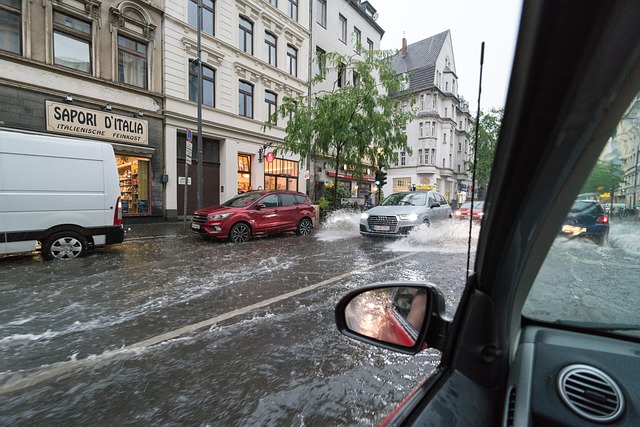
After a basement flood, addressing mold removal is a critical step, often requiring specialized attention to ensure a safe and healthy environment. Mold thrives in damp conditions, making post-flood cleanup an urgent task. The New York City areas of Sheepshead Bay and Sunset Park, for instance, have faced significant flooding events, necessitating effective basement flood cleanup naturally and mold removal solutions.
Basement flooding can leave behind moisture and water damage, creating the perfect breeding ground for mold within 24 to 48 hours. This not only compromises indoor air quality but also poses potential health risks to residents. Mold spores can cause allergic reactions, respiratory issues, and even cognitive problems. Therefore, timely intervention is vital. Local emergency response teams in Queens emphasize the importance of swift action during floods to mitigate mold-related dangers.
The process involves several steps. First, dry out the affected area using fans and dehumidifiers. Then, inspect for visible mold growth and assess the extent of water damage. For severe cases, professional assistance from basement flooding solutions experts is recommended. Companies like Property Restoration of the Capital Region offer specialized services, including mold removal and prevention strategies tailored to each property’s unique needs. They utilize advanced techniques and products to ensure a thorough clean-up, preventing future mold issues in Sunset Park or Sheepshead Bay homes. Regular inspection and proper ventilation are long-term solutions to protect against basement flooding’s adverse effects.
Deep Cleaning: Tackling Musty Odors Naturally

The process of deep cleaning a basement after water intrusion or flooding requires a strategic approach to eliminate musty odors naturally. In areas prone to basement floods, such as the East Village, urgent basement cleaning and sanitizing are essential steps in property restoration. When facing an emergency response for flooding in your Staten Island home, local professional cleanup services like those offered by Property Restoration of the Capital Region can provide swift and effective solutions.
Musty odors often persist due to mold growth, which thrives in damp environments. A natural approach to basement flood cleanup involves a multi-step process. First, thoroughly dry all affected areas using fans and dehumidifiers. This step is crucial as it prevents further moisture buildup and inhibits mold development. Once the space is dry, address any structural damage and remove water-soaked items for proper disposal or restoration. Next, create a solution of equal parts white vinegar and warm water. Vinegar’s acidity helps break down odor-causing compounds, while its antimicrobial properties kill bacteria and fungi naturally. Apply this mixture to surfaces using a cleaning mitt or sponge. For hard-to-reach areas, consider using a spray bottle to ensure even coverage. After cleaning, rinse the surfaces with clean water to remove any residue.
In addition to vinegar, baking soda can be employed as a natural deodorizer. Create a paste by mixing baking soda and water, then apply it to walls and floors. Let it sit for several hours or overnight before scrubbing and rinsing. This method is especially useful for absorbing persistent musty odors. For severe cases where mold is evident, professional restoration companies may recommend specialized equipment like air scrubbers and negative-air machines to remove contaminants effectively. Regular restorative cleaning practices, such as these methods, can help maintain a fresh indoor environment in areas prone to basement flooding, like the Brooklyn Museum, ensuring a healthier living or display space.
Sanitization Techniques: Choosing Safe, Non-Toxic Methods
When it comes to basement flood cleanup, particularly in areas like Prospect Lefferts Gardens or Bedford-Stuyvesant, sanitization techniques are a critical component of restoring your home to pre-flood condition. The last thing you want is for residual moisture and contaminants to foster mold growth, which can have significant health implications. That’s why it’s paramount to employ safe, non-toxic methods that effectively eliminate pathogens without introducing harsh chemicals into your living space.
Consider basement flood cleanup naturally as a proactive approach. Using natural sanitizers like vinegar or baking soda not only minimizes the risk of harmful exposure but also leaves behind a fresh aroma. For instance, a solution of one part white vinegar to four parts water can be used to disinfect surfaces and eliminate odors. Baking soda, when mixed with water into a paste, can scrub and deodorize hard surfaces. These simple, cost-effective solutions are environmentally friendly and safe for both people and pets.
In areas like Howard Beach, where homes frequently face basement flood events, expert advice on flood recovery is invaluable. Professionals like those from Property Restoration of the Capital Region understand the unique challenges of mold prevention in humid climates. They recommend implementing preventive measures such as improving ventilation and addressing any leaks promptly. Additionally, using dehumidifiers to reduce moisture levels below 50% can significantly inhibit mold growth. After initial cleanup, regular inspections and prompt remediation of any new water intrusions are crucial steps in maintaining a healthy environment.
Beyond sanitization, restoring your home involves a multi-step process. It starts with thorough cleaning, removing all affected materials, and drying the space completely. Then, addressing structural damage and repairing any leaks is essential to prevent future issues. Finally, re-insulating and sealing the basement against moisture intrusion ensures a dry, safe living environment. By combining natural sanitization techniques with expert advice tailored to your specific needs, you can effectively restore your home to its pre-flood condition while maintaining a healthy indoor environment.
Drying and Preventing Future Basement Floods
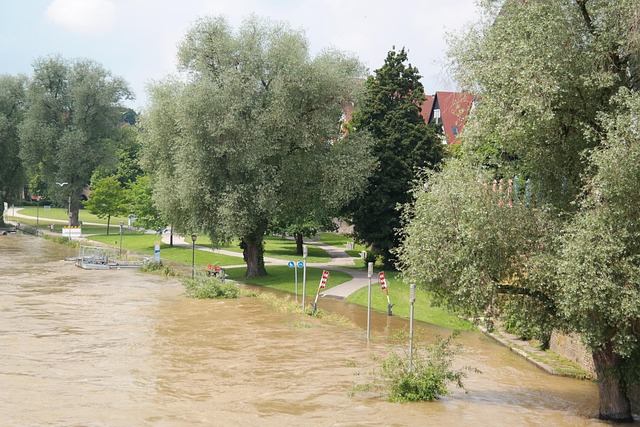
Basement flood cleanup is a critical process that requires meticulous attention to detail, especially when focusing on drying and preventing future incidents. Water mitigation tactics are essential to address basement water damage effectively, minimizing potential health risks and structural issues. In areas prone to flooding, such as Prospect Heights, local experts like those in Bedford Park have honed their skills in managing these challenges.
The primary goal after a basement flood is to dry out the space thoroughly while also taking proactive measures to deter future water intrusion. Property Restoration of the Capital Region, for instance, employs advanced equipment and natural methods to ensure optimal results. They utilize high-efficiency dehumidifiers to extract moisture from every corner of the basement, including hard-to-reach areas. This process not only reduces humidity but also inhibits mold growth, a common issue following water damage. Additionally, they recommend implementing preventive strategies like sealing cracks and gaps that might allow water seepage, a service offered by professional flood cleanup teams in Park Slope.
It’s crucial to address basement flooding promptly to avoid extensive water damage and the associated costs of repairs. A recent study revealed that rapid response to water mitigation can significantly reduce restoration expenses and minimize structural damage. By enlisting the help of local experts, homeowners can benefit from tailored solutions, ensuring their basements are not only dried but also protected against future floods. This proactive approach is key to preserving the integrity of the home and maintaining a healthy living environment.
In addressing basement flood cleanup naturally, this article has equipped readers with a comprehensive toolkit for tackling water damage, mold removal, and musty odors. Key insights include assessing water damage promptly, leveraging natural solutions for cleaning and sanitization, and prioritizing safety through non-toxic methods. Understanding the critical steps—from initial assessment to drying and prevention—readers are now empowered to navigate basement flood cleanup effectively. By embracing natural techniques, they can achieve a clean, safe, and healthy living space while minimizing environmental impact. This authoritative guide offers practical, actionable advice, ensuring readers emerge with enhanced knowledge and confidence in managing basement flood cleanup naturally.