





Basement flood cleanup naturally requires immediate action, including identifying the source, pumping out water, and using dehumidifiers to prevent mold growth. Specialized equipment and monitoring ensure thorough drying. Remove damaged materials and inspect for mold. Prioritize safety with protective gear. Use natural methods like vinegar and baking soda for eco-friendly cleaning in severe cases. Long-term solutions involve ventilation, moisture absorbers, and proactive measures like water-resistant materials to protect against future basement flood cleanup naturally.
In the event of a basement flood, prompt and effective cleanup is paramount to prevent extensive damage and promote a healthy living environment. Basement flood cleanup is a specialized task, requiring expertise to ensure thorough removal of water, moisture, and potential contaminants while preserving valuable possessions. This article offers an authoritative guide to navigating emergency basement cleanups, focusing on natural, efficient solutions for basement flood cleanup. We’ll delve into proven methods, best practices, and the latest techniques to empower homeowners with effective strategies, ensuring a swift return to normalcy.
- Assessing Basement Flood Damage Naturally
- Safe & Effective Cleanup Strategies at Home
- Restoring Your Space: Long-Term Solutions Naturally
Assessing Basement Flood Damage Naturally

Basement flood cleanup is a complex process, especially when considering natural methods for assessing and remediating damage. In areas prone to flooding, such as the East Village or Long Island, prompt action is crucial. Property owners often turn to professionals like Property Restoration of the Capital Region for emergency response. After initial assessments, the focus shifts to basement flood cleanup naturally, aiming to prevent extensive mold growth and structural issues commonly associated with water damage.
One of the first steps in basement flood cleanup naturally involves identifying the source and extent of the flooding. In Brooklyn Bridge areas, a thorough inspection is essential. Experts will assess the water level and duration of contact, as these factors determine the severity of damage. For instance, recent studies show that prolonged exposure to water can lead to significant structural weakening, especially in older homes. Once the source is located, natural cleanup methods can be employed. These include extracting standing water using pumps and dehumidifiers to reduce moisture levels, a key component in preventing mold growth.
After initial drying, specialized equipment like air movers and dehumidifiers continue to play a vital role in basement flood cleanup naturally. These tools accelerate evaporation, ensuring the area dries evenly. Regular monitoring of humidity levels is crucial during this phase. Furthermore, affected materials like carpets, padding, and drywall may need to be removed due to their inability to dry properly without extensive damage. Proper disposal methods must be followed to avoid contaminating other areas of the home. In cases where mold inspection reveals significant growth, professional remediation services should be engaged to ensure a safe and healthy environment.
Safe & Effective Cleanup Strategies at Home

When facing a basement flood, swift and safe cleanup is paramount to mitigate damage and promote restoration. This involves more than just mopping up water; it requires a strategic approach that prioritizes health and efficiency. In communities like Williamsburg, Bedford Park, and Manhattan Beach where basement flooding is a potential concern, understanding effective cleanup strategies is essential for property owners.
The initial step in basement flood cleanup naturally is to ensure personal safety. Water from severe storms or burst pipes can harbor harmful contaminants, so protective gear including gloves, masks, and waterproof boots is crucial. Once safe entry is confirmed, the next phase involves assessing the extent of damage. Documenting water levels and affected areas helps guide restoration efforts. Local basement water damage experts in Bedford Park and Manhattan Beach are equipped to provide specialized knowledge, ensuring a thorough understanding of the unique challenges presented by each situation.
After assessment, the cleanup process begins. Remove soaked items and materials, such as carpeting, furniture, and belongings, from the affected areas. These items should be dried or discarded promptly to prevent mold growth. Utilize fans, dehumidifiers, and other drying equipment to expedite the process. Property Restoration of the Capital Region, a trusted name in emergency cleanup services, emphasizes the importance of quick action and professional techniques to restore homes efficiently and effectively, minimizing the risk of long-term damage.
For areas with severe water damage or hard-to-reach spots, consider natural cleaning methods. White vinegar and baking soda can be effective agents for killing mold and bacteria while safely removing stains. These eco-friendly alternatives are gentle on surfaces yet powerful in their cleansing abilities. Employing these strategies alongside traditional cleanup techniques ensures a thorough, safe, and environmentally conscious restoration process for your basement after a flood.
Restoring Your Space: Long-Term Solutions Naturally
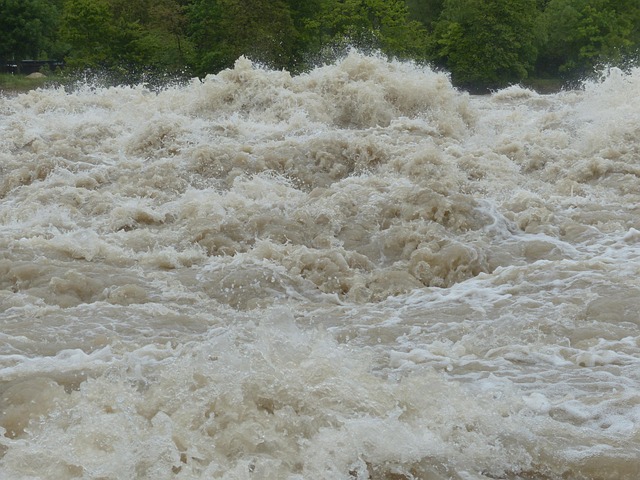
Recovering from a basement flood requires more than just mopping up water; it’s about restoring your space to its pre-disaster condition using long-term natural solutions. While traditional basement flood cleanup techniques are effective in the short term, adopting eco-friendly, sustainable practices can mitigate potential health risks and environmental impact associated with water damage.
Focus on natural drying methods like increasing ventilation, using moisture absorbers, and strategically placing fans to promote air circulation. Avoid harsh chemicals by opting for non-toxic cleaning agents derived from essential oils or baking soda. For instance, a mixture of white vinegar and water can effectively remove mildew and odours without leaving harmful residues.
In areas prone to basement flooding, such as Coney Island or Howard Beach, implementing proactive water mitigation tactics is crucial. Prospect Heights residents should consider investing in water-resistant materials and barriers to protect against future events. Expert advice from Property Restoration of the Capital Region emphasizes the importance of timely action—within 24-48 hours of a flood—to prevent mould growth and structural damage.
Beyond cleanup, restore your basement environment naturally by repairing and reinforcing drains, checking for leaks, and ensuring proper ventilation. Regular maintenance and these natural solutions can safeguard your space against future flooding, promoting a healthier, more sustainable living environment in the long term.
After delving into the comprehensive guide on emergency basement cleanup near me, focusing on natural solutions, readers now possess invaluable knowledge to tackle post-flood scenarios. Key insights include the importance of assessing damage naturally, employing safe and effective home cleanup strategies, and implementing long-term restoration solutions that harmonize with nature. The article underscores the significance of prompt action, emphasizing that a well-planned, natural basement flood cleanup not only restores spaces but also minimizes environmental impact. Moving forward, homeowners are equipped to make informed decisions, ensuring their safety and that of their properties while embracing sustainable practices in every step of the cleanup process.