







Basement flood cleanup naturally involves a multi-step process. Key steps include initial safety measures, water removal, identifying root causes, prevention tactics, natural absorbents, and drying with fans/dehumidifiers. For severe cases, advanced equipment is required. Post-cleanup, a systematic restoration process includes structural inspections, material replacement, repainting, electrical reinstallation, ventilation, and insulation. Consulting professional restoration specialists ensures efficient flood removal and optimal basement living conditions.
Basements are integral to many homes, serving as storage spaces, recreational areas, or even additional living quarters. However, they are also vulnerable to water damage, with basement flood cleanup being a frequent concern. In [region], where weather patterns can be unpredictable, the risk of flooding is real. Unaddressed, water intrusion can lead to extensive structural damage, mold growth, and unsanitary conditions. That’s where our expert restoration services come in. We specialize in trusted basement restoration, providing comprehensive solutions for water-damaged basements, including natural flood cleanup methods that prioritize safety and efficiency.
- Assessing Damage: The First Step in Basement Restoration
- Natural Solutions for Effective Basement Flood Cleanup
- Restoring Your Space: Techniques for Complete Basement Revitalization
Assessing Damage: The First Step in Basement Restoration
Assessing damage is a critical step in basement restoration, especially after an event like a flood. In regions prone to such incidents, like Marine Park or Astoria, understanding the scope of water mitigation and drying services is paramount for effective basement flood cleanup naturally. Property Restoration of the Capital Region, a seasoned expert in these matters, emphasizes that prompt action is key to minimizing damage and preventing further complications.
The first step involves thoroughly inspecting the basement, noting the extent of water intrusion and its impact on various surfaces. Water damage repair in basements can range from minor surface moisture to complete submergence, each requiring tailored restoration techniques. For instance, in cases of severe flooding in Upper West Side homes, professional teams employ advanced equipment for drying services, ensuring every corner is thoroughly dried to prevent mold growth and structural issues. This involves using hygrometers to measure moisture levels and setting up de-humidifiers and air movers to expedite the process.
After assessing, professionals can guide homeowners on the best course of action, which may include restorative cleaning, structural repairs, or even complete basement remodel. Property Restoration of the Capital Region highlights that a comprehensive approach addressing both water mitigation and drying services is crucial in restoring basements to their pre-flood condition, ensuring the health and safety of occupants and maintaining the property’s value.
Natural Solutions for Effective Basement Flood Cleanup
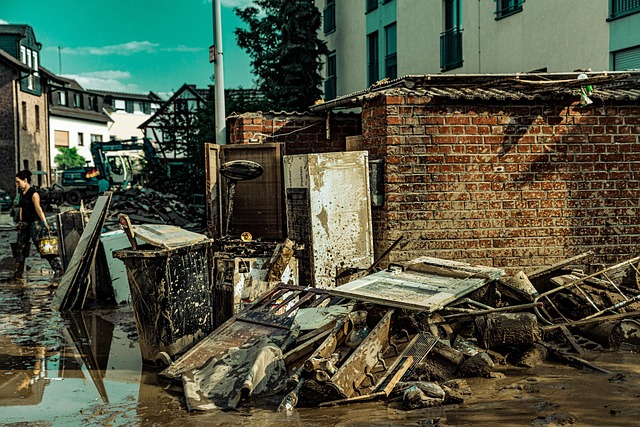
Basement flood cleanup can transform from a daunting task into a manageable process with natural solutions. In communities like Coney Island Park, East Village, and Bay Ridge, where heavy flooding is not uncommon, adopting effective basement flood cleanup methods is crucial for home restoration. Property Restoration of the Capital Region, a trusted name in emergency response for flooding, emphasizes the importance of swift action to mitigate water damage and prevent long-term issues.
The initial step in any basement flood cleanup is to turn off the main power supply to ensure safety. Next, remove as much standing water as possible using buckets or specialized equipment. This preventive measure reduces the risk of electrical shocks and further damage from water-borne contaminants. After the initial draining, address the root cause of the flooding, whether it’s a broken pipe, faulty sump pump, or heavy rainfall. Implementing basement water damage prevention tactics is paramount to avoid recurring issues. These include installing better drainage systems, sealing cracks that allow water ingress, and ensuring proper ventilation to prevent moisture buildup.
For instance, using natural absorbents like baking soda and silica gel can help draw out excess moisture from affected areas. Additionally, employing fans and dehumidifiers accelerates the drying process, minimizing the chance of mold growth and structural damage. It’s essential to remember that thorough cleaning and disinfection are necessary after the water has been removed. This involves sanitizing surfaces with non-toxic, environmentally friendly cleaning agents to eliminate bacteria and viruses that may have proliferated in the flooded environment. By combining these natural solutions with prompt action and professional expertise, residents can effectively restore their basements to pre-flood conditions, ensuring a healthier and safer living space.
Restoring Your Space: Techniques for Complete Basement Revitalization

Restoring your basement to its former glory or transforming it into a functional space requires a meticulous approach, especially after unforeseen events like flooding. In regions prone to sudden storms and heavy rainfall, such as Manhattan Beach, Flatbush, and Bushwick Collective, basement flooding repair becomes an essential consideration for homeowners. The process involves more than just fixing water damage; it entails complete revitalization to ensure a dry, safe, and comfortable living environment. This comprehensive guide delves into the techniques and strategies that property owners can employ to restore their basements naturally, highlighting the importance of swift action and professional expertise.
Basement flood cleanup is a critical initial step, focusing on removing water and moisture swiftly to prevent mold growth and structural damage. Property Restoration of the Capital Region emphasizes the use of natural, eco-friendly methods for this process. For instance, using absorbent materials like sand or clay to draw out excess water and employing fans and dehumidifiers to expedite drying are effective techniques. However, after initial cleanup, a deeper restoration is required. This involves addressing structural elements, electrical systems, and insulation that may have been compromised by the flooding.
The post-flood restoration process encompasses several key stages. First, it’s crucial to inspect for any structural damage, ensuring the safety of the space before proceeding. Then, removing and replacing water-damaged materials like drywall or flooring is essential. Professionals recommend using moisture-resistant materials to prevent future issues. Subsequent steps include repainting with mold-resistant paint and reinstalling electrical systems, taking care to check for potential ground fault circuit interrupter (GFCI) requirements in damp areas. Finally, proper ventilation and insulation ensure a comfortable indoor environment while maintaining energy efficiency.
For optimal results, homeowners should consider engaging experienced restoration specialists who can provide tailored solutions based on the extent of damage. These experts employ advanced techniques like moisture mapping to identify hidden water sources and use specialized equipment for swift flood removal in areas like Flatbush. By combining natural cleanup methods with professional post-flood restoration techniques, residents of these coastal communities can effectively revitalize their basements, ensuring a safe and dry sanctuary within their homes.
After exploring the intricacies of basement restoration, from damage assessment to revitalizing your space, it’s clear that a systematic approach is key. The initial step, assessing damage, lays the groundwork for effective solutions, whether tackling water intrusion or structural issues. Natural methods for basement flood cleanup not only offer eco-friendly benefits but also provide durable results, ensuring your space remains dry and comfortable. Embracing innovative techniques for restoration allows homeowners to reclaim their lower levels, transforming them from damp, dark areas into vibrant, usable spaces. By following these comprehensive guides, readers are empowered to navigate the process with confidence, creating a healthier, more beautiful home environment.