






Assessing and responding to basement floods within 24-48 hours is crucial for minimizing damage. Key steps include identifying water sources, documenting damage, wearing PPE, and turning off electricity. Professional cleanup after sewer backups is essential for health safety. Natural cleaning methods, ventilation, and advanced drying techniques prevent mold and structural issues. Proactive measures like water barriers, sealing cracks, and proper drainage reduce future flooding risk. Combining natural basement flood cleanup naturally with professional restoration safeguards against secondary damage and ensures property value preservation.
Basements are the backbone of many homes, yet they’re often overlooked when it comes to maintenance. This negligence can lead to devastating water damage, particularly during heavy rainfall or pipe bursts. The consequences range from structural integrity issues to mold growth, posing significant health risks. Effective basement flood cleanup is crucial for not only restoring your home but also ensuring your family’s well-being. In this article, we’ll guide you through the comprehensive process of water damage repair, focusing on natural solutions that promote a healthier and more sustainable environment without harsh chemicals.
- Assessing Basement Flood Damage: Initial Steps
- Natural Cleaning Methods for Basement Flood Cleanup
- Structural Repair and Dry Out Techniques
- Preventing Future Basement Water Damage
Assessing Basement Flood Damage: Initial Steps

Assessing basement flood damage is a critical initial step in any water damage restoration process, especially for commercial spaces like those found in Midtown or historic properties in areas like Coney Island. The first 24 to 48 hours after a basement flood are crucial, as immediate action can prevent widespread and costly secondary damage from mold growth, structural degradation, and the deterioration of personal belongings. Property owners and managers should approach this situation with caution and expertise.
A comprehensive assessment involves several key elements. First, conduct a visual inspection to identify the source of the floodwater—whether it’s from heavy rainfall, burst pipes, or sewer backup. This step is essential as different sources may require specific cleanup methods. For instance, contaminated water from a sewer backup necessitates professional basement flood cleanup naturally to prevent health risks associated with raw sewage. Next, document the damage through high-quality photographs and videos, which can be invaluable for insurance claims and future reference. Take note of affected areas, including walls, floors, ceilings, furniture, and personal items.
Water damage restoration involves rapid response and a systematic approach. In Brooklyn or any urban setting, commercial basement drying services are often required to mitigate the impact swiftly. Professional teams employ advanced equipment like dehumidifiers and air movers to expedite drying processes, ensuring that structures and contents return to their pre-flood condition. For instance, Property Restoration of the Capital Region specializes in commercial basement drying Midtown, utilizing state-of-the-art technology to restore properties efficiently. Drying out after a flood Coney Island promptly can prevent mold growth, which could lead to severe health issues for building occupants.
During the assessment and restoration process, prioritize safety first. Floodwater may contain hazardous materials or contaminants, necessitating the use of appropriate personal protective equipment (PPE). Additionally, electrical systems should be turned off at the main breaker box to avoid the risk of electrocution. Remember that proper evaluation and action within the initial window can significantly reduce repair costs and minimize long-term negative impacts on the property.
Natural Cleaning Methods for Basement Flood Cleanup
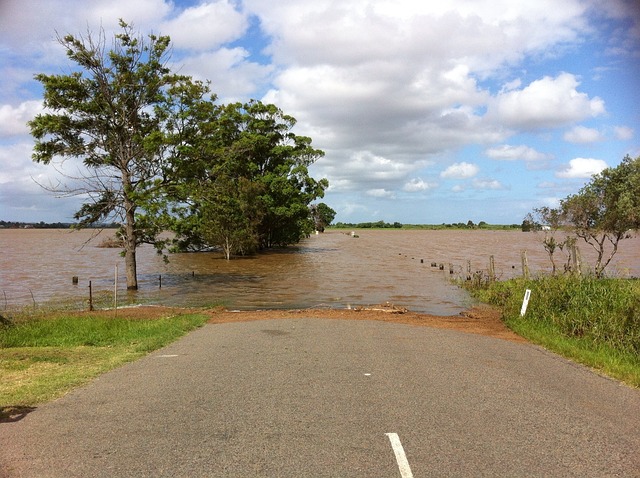
Basement flood cleanup is a complex process, but adopting natural cleaning methods can significantly mitigate environmental impact while ensuring effective restoration. When water infiltrates a basement, it’s crucial to act swiftly and implement sustainable practices that go beyond conventional cleaning techniques. One of the primary goals during basement flood cleanup naturally is to prevent widespread mold growth, a common issue in damp environments. Commercial basement drying services in Midtown, like those offered by Property Restoration of the Capital Region, emphasize the importance of specialized equipment for efficient water removal, reducing moisture levels to mitigate mold risks.
Natural cleaning methods offer an eco-friendly alternative to chemical-laden products often used in flood cleanup. For instance, white vinegar is a powerful disinfectant and deodorizer that can be used to clean and sanitize affected areas. Its acetic acid content helps kill bacteria and fungi, making it an excellent choice for surfaces and hard floors. Additionally, baking soda can be employed as a mild abrasive to scrub and restore painted surfaces without causing damage. These simple, sustainable solutions are particularly valuable in densely populated areas like Sunset Park, where quick response times and environmentally conscious practices are essential.
Beyond cleaning, proper ventilation is key to drying out the basement effectively. Opening windows and doors, along with the use of fans, can expedite the process, reducing moisture levels and creating an uninviting environment for mold growth. It’s also crucial to address any structural issues that may have contributed to the flooding, such as cracks or leaks in the foundation. Sustainable flood cleanup solutions in Harlem focus on holistic restoration, combining advanced drying techniques with natural cleaning methods to restore basements to their pre-flood condition while minimizing environmental impact. By prioritizing these strategies, homeowners can achieve a safe, dry basement without resorting to harsh chemicals, ensuring a healthier and more sustainable living space.
Structural Repair and Dry Out Techniques

Basement flood cleanup is a complex process requiring meticulous structural repair and dry out techniques to ensure the longevity of your property. In areas prone to water infiltration like Downtown Brooklyn or the Park Slope, where basement floods are not uncommon, understanding the intricacies of this process becomes paramount. Water removal services in these neighborhoods, including Upper East Side, should employ advanced methods to mitigate damage effectively.
The initial step involves assessing the extent of water intrusion and identifying potential structural vulnerabilities. In some cases, a professional inspection by Property Restoration of the Capital Region specialists can pinpoint weaknesses in the foundation, walls, or flooring that may require specialized repair techniques. For instance, wooden structures exposed to prolonged moisture levels can suffer significant deterioration, necessitating replacement or advanced drying methods.
Dry out techniques are crucial for preventing mold growth and preserving structural integrity. Professional flood cleanup experts utilize high-efficiency fans and dehumidifiers to expedite the drying process, ensuring that every corner of the basement is free from water vapour. This meticulous approach not only minimizes damage but also reduces the risk of future issues like foundation shifting or warping of wooden components. By employing these advanced techniques, properties in areas like Park Slope can be restored to their pre-flood condition, preserving the home’s value and structural soundness.
Preventing Future Basement Water Damage

Preventing future basement water damage is a crucial step for homeowners, especially in areas prone to flooding like Manhattan Beach, Coney Island, and Bensonhurst. After a catastrophic event like a basement flood, it’s essential to understand that quick response and proper restoration techniques are key to minimizing long-term damage. The initial focus should be on basement flood cleanup naturally, using methods that promote drying out after a flood effectively. For instance, opening windows and doors to facilitate airflow can aid in the evaporation process, though this approach may not be sufficient for severe cases.
In regions like the Capital Region, where homes are often built with similar architectural elements, professional restoration services like Property Restoration of the Capital Region play a vital role. They employ advanced equipment such as dehumidifiers and air movers to expedite drying and prevent mold growth. These professionals also take measures to address the root causes of flooding, whether it’s due to faulty plumbing, inadequate drainage systems, or natural disasters. By understanding common sources of basement flooding, homeowners can proactively implement preventative measures.
One effective strategy is to install water-resistant barriers and sealants around pipes and foundation cracks. Regular inspection and maintenance of these areas can help catch potential issues early on. Additionally, ensuring proper drainage away from the home’s foundation by clearing debris from gutters and downspouts is crucial. Landscaping that slopes away from the house also plays a significant role in diverting water and preventing overflow. For instance, studies show that proper landscaping can reduce the risk of basement flooding by up to 50%.
After a basement flood, restoring homes requires a multi-step approach. This includes removing wet materials, cleaning and sanitizing affected areas, and repairing or replacing damaged items. It’s important to remember that each situation is unique, and seeking expert advice from professionals like Property Restoration of the Capital Region can ensure a thorough and efficient restoration process. By combining natural cleanup methods with professional expertise and preventative measures, homeowners can effectively safeguard their properties against future basement water damage.
In addressing basement flood cleanup naturally, this article has provided a comprehensive guide covering key aspects from initial damage assessment to structural repair techniques. It has highlighted the importance of swift action during the early stages of a basement flood, emphasizing natural cleaning methods as an eco-friendly alternative for effective water removal. Additionally, it has offered valuable insights into preventing future water damage through strategic waterproofing and maintenance practices. By synthesizing these key learnings, readers are now equipped with the knowledge to navigate basement flood cleanup naturally, ensuring not only efficient restoration but also long-term protection against potential future disasters.