






Prompt basement flood cleanup (within 24-48 hours) using natural solutions prevents mold growth and protects homes in prone areas. Key steps include:
1. Turn off electricity at main breaker.
2. Document damage with photos.
3. Remove debris, use fans, dehumidifiers, heaters to dry out space.
4. Sanitize surfaces with non-toxic cleaners like vinegar, baking soda, tea tree oil.
5. Regular maintenance (crack sealing, drainage systems, moisture barriers) prevents future damage.
6. Professional assistance for severe water damage using advanced drying techniques.
7. Sanitization post-drying kills mold spores and prevents re-growth.
Basements are essential spaces, offering not just additional living area but also crucial storage for many households. However, they often face a silent yet significant threat—moisture issues, which can lead to unsanitary conditions and even health hazards. Water infiltration, especially after heavy rains or basement floods, requires prompt action. Effective cleaning and sanitizing are vital steps in mitigating mold growth and ensuring a healthy environment. This article delves into the urgent need for regular basement maintenance, focusing on natural, effective flood cleanup methods that address both immediate sanitation and long-term prevention.
- Assessing Basement Flood Damage: Initial Steps
- Natural Cleaning Solutions for Comprehensive Sanitization
- Drying Out: Efficient Basement Restoration Techniques
- Preventing Mold: Post-Flood Cleanup Strategies
- Restoring Order: Reclaiming Your Basement Space
Assessing Basement Flood Damage: Initial Steps

Assessing basement flood damage is a critical initial step in the basement flood cleanup process. The first 24 to 48 hours after a flood are crucial for preventing further damage and ensuring that your home can be restored to its pre-flood condition. In areas like Prospect Lefferts Gardens, Red Hook, and Manhattan Beach where basement flooding is common, homeowners must act swiftly. Start by turning off the electricity at the main circuit breaker to avoid electrical shocks and potential fires. Next, assess the water level and the extent of damage. If the floodwater reached critical appliances or structural elements, professional assistance from a specialized property restoration service like Property Restoration of the Capital Region may be necessary.
Documenting the damage with photos is essential for insurance claims and future reference. Take pictures of both the damaged areas and any salvageable items that can be dried and cleaned. Remember to include details like water levels, mold growth (if visible), and any structural instability. Once the initial assessment is complete, begin removing debris and personal belongings from the affected areas. Do not discard items until you’ve consulted with insurance adjusters or restoration professionals as some items may be salvageable through basement flood cleanup naturally methods.
The next step involves drying out the space thoroughly to prevent mold growth, a common issue after basement flooding. Use fans, dehumidifiers, and heaters strategically placed in the affected zones. Ensure proper ventilation and maintain this process for several days or until humidity levels are below 60%. After drying, begin sanitizing surfaces using non-toxic, natural cleaning solutions like diluted vinegar or baking soda to kill bacteria and viruses left behind by the floodwater. In some cases, especially in restoring flooded homes in Manhattan Beach, professional restoration companies may recommend a more comprehensive approach involving specialized equipment and techniques to address severe water damage and ensure that your home is restored to its pre-flood condition.
Natural Cleaning Solutions for Comprehensive Sanitization
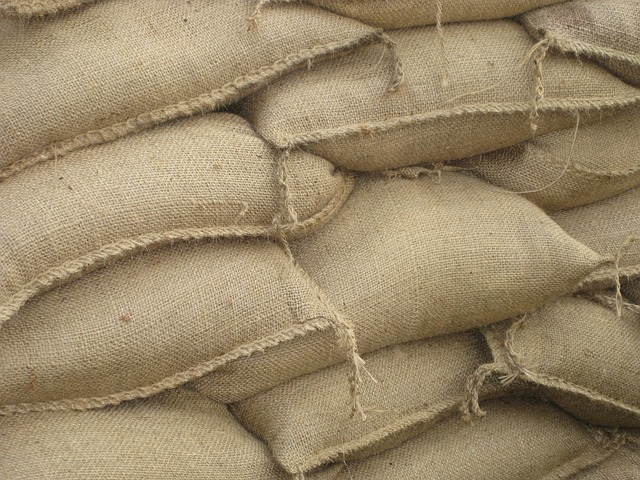
Urgent basement cleaning and sanitizing require a strategic approach, especially after events like basement floods, which can leave behind mold, mildew, and harmful bacteria. While traditional cleaning methods often rely on harsh chemicals, opting for natural cleaning solutions offers a safer, more environmentally friendly alternative for comprehensive sanitization. This is particularly important in areas prone to basement flooding, such as Crown Heights, Manhattan Beach, or Red Hook, where proactive measures can prevent future damage and promote healthier living environments.
Natural cleaning solutions not only mitigate health risks but also play a crucial role in the overall restoration process. For instance, white vinegar is an effective disinfectant that can kill 99% of bacteria and fungi when diluted with water. Baking soda acts as a mild abrasive and deodorizer, while essential oils like tea tree oil possess powerful antimicrobial properties. In the event of a basement flood, these ingredients can be used to clean and disinfect affected areas without resorting to toxic chemicals. For example, a mixture of one part vinegar to three parts water can be sprayed directly on surfaces, followed by a baking soda scrub to eliminate odors and stains.
Moreover, integrating natural cleaning solutions into your basement flooding prevention tips is a proactive measure that can save you from extensive repairs later. Regular maintenance, such as checking and sealing cracks, ensuring proper drainage systems, and installing moisture barriers, are essential in Crown Heights, Manhattan Beach, and Red Hook neighborhoods where recurring basement flooding is a concern. Additionally, restorers like Property Restoration of the Capital Region emphasize the importance of quick response times during flood cleanup to prevent long-term damage. By combining natural cleaning methods with robust flooding prevention strategies, homeowners can safeguard their properties and reduce the need for extensive restoration work in the future.
Drying Out: Efficient Basement Restoration Techniques
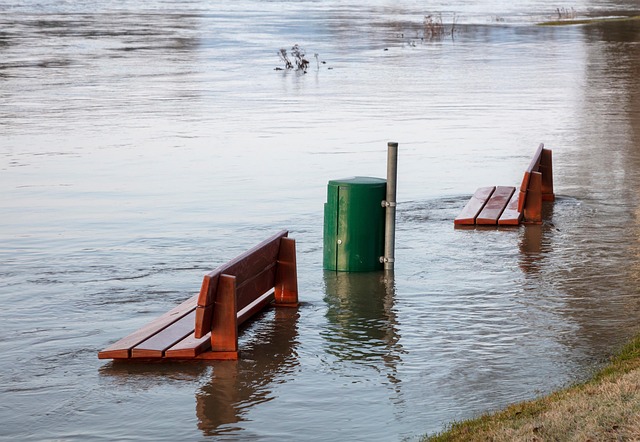
In the aftermath of a basement flood, efficient drying out is crucial for effective basement restoration. Water removal services like those offered in Downtown Brooklyn or Red Hook are designed to address this critical phase promptly. The primary goal is to prevent mold growth and structural damage by minimizing moisture levels. Professional teams employ advanced equipment such as high-efficiency dehumidifiers and water extractors tailored for flooded homes, ensuring thorough and fast results.
Proper basement flood cleanup naturally involves a multi-step process. Initially, remove standing water using powerful pumps or extractors. Afterward, assess the extent of water damage, especially in hard-to-reach areas like corners and cracks. Once the visible water is gone, implement strategies to reduce humidity levels below 50% to inhibit mold development. This includes operating dehumidifiers consistently until air moisture content stabilizes. It’s essential to remember that prolonged exposure to high humidity can exacerbate existing damage and foster mold growth, which can have severe health implications for residents.
After drying, a thorough cleaning is necessary to remove any residual water stains, odors, and potential contaminants. This step involves using specialized cleaning solutions and equipment to restore surfaces, floors, and baseboards to their pre-flood condition. In cases of severe water damage in Astoria or other affected areas, consider seeking expert advice from property restoration specialists like Property Restoration of the Capital Region. They bring valuable experience and cutting-edge techniques to ensure not just the visual restoration but also the structural integrity of your home.
Regular inspections during and after drying are vital to verify that all areas have been adequately addressed. This proactive approach ensures that any recurring moisture issues are identified early, preventing future damage or health risks. By combining efficient water removal, meticulous cleaning, and ongoing monitoring, homeowners can restore their basements to safe, livable conditions while minimizing the potential for long-term complications associated with water damage.
Preventing Mold: Post-Flood Cleanup Strategies

Basement flood cleanup naturally is a critical step in preventing mold growth and ensuring a healthy living environment post-disaster. After a flood, especially in areas like Crown Heights or Upper West Side, prompt action is crucial to mitigate potential health risks. The process involves a multi-step approach that includes restorative cleaning after a flood, thorough drying, and sanitization. For commercial spaces in Midtown, these measures are essential not only for property preservation but also for maintaining business continuity.
One of the primary concerns during basement flood cleanup naturally is mold prevention. Mold thrives in damp conditions, making it imperative to address moisture issues promptly. According to a study by the Environmental Protection Agency (EPA), excessive moisture can foster mold growth within 24-48 hours after a water intrusion event. Therefore, commercial and residential property owners alike should consider professional basement flood recovery services that employ advanced drying techniques like those offered by Property Restoration of the Capital Region. These methods ensure thorough dehydration, creating an environment unsuitable for mold development.
In addition to drying, sanitization is a vital component of basement flood cleanup naturally. Post-flood sanitizers and disinfectants can kill existing mold spores and prevent their re-growth. This step is particularly important for older homes or buildings where hidden moisture pockets could promote persistent mold issues. For instance, a 2018 survey by the National Association of Home Builders (NAHB) revealed that up to 35% of flood-damaged homes developed significant mold problems within six months if not properly dried and sanitized. By contrast, proactive basement flood cleanup naturally through restorative cleaning and commercial drying in Midtown can significantly reduce these risks.
Restoring Order: Reclaiming Your Basement Space
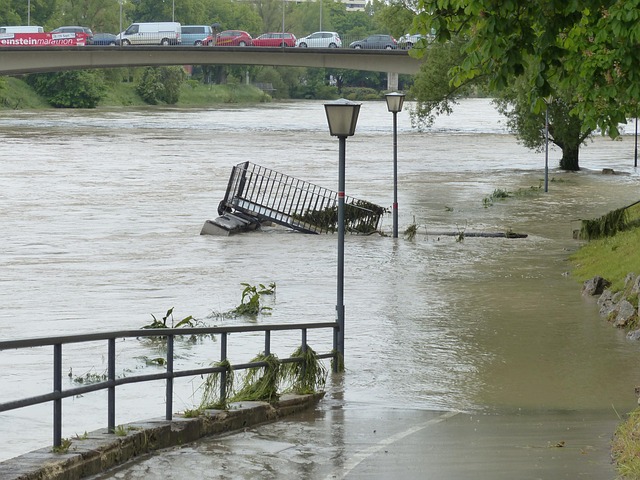
Basements are often overlooked spaces within our homes, but when a flood occurs, they can quickly turn into a chaotic mess. Restoring order in such situations is paramount to prevent further damage and ensure the health and safety of your family. The process of reclaiming your basement space involves several critical steps, particularly after a basement flood Bensonhurst residents frequently face.
Water extraction Upper West Side or commercial basement drying Midtown professionals are invaluable resources when dealing with these deluged areas. Efficient water removal is crucial to mitigating mold growth and structural damage. Property Restoration of the Capital Region experts emphasize the importance of rapid response; every hour counts in basement flood cleanup naturally, as it can significantly reduce potential losses. The initial step involves skimming off visible water followed by thorough pumping to empty the space. This method, when applied promptly, can prevent substantial water pressure from causing further structural instability.
Once the immediate water removal is complete, the real work begins: drying and sanitizing. Commercial basement drying techniques, including advanced dehumidification equipment, are employed to extract moisture from walls, floors, and belongings. This process not only prevents mold growth but also reduces the risk of musty odors and potential health issues associated with damp environments. It’s important to remember that every basement is unique; factors like ventilation, insulation, and the source of the flood can impact drying times. Therefore, professional assessment and tailored solutions are essential for effective water extraction Upper West Side and commercial basement drying Midtown.
After drying, sanitizing becomes the next critical step in restoring homes after a basement flood Bensonhurst. This involves using specialized cleaning agents to eliminate bacteria, viruses, and odors. Property Restoration of the Capital Region specialists employ eco-friendly, non-toxic solutions to ensure a safe environment while effectively disinfecting surfaces. For instance, hard surfaces like floors and countertops can often be treated with common household disinfectants, whereas porous materials may require more specialized care. This multifaceted approach ensures that not only is the basement restored but also that it remains healthy and presentable for future use.
After thoroughly exploring each facet of basement flood cleanup, from initial damage assessment to post-flood prevention strategies, it’s clear that a comprehensive, natural approach is paramount. Key takeaways include prioritizing rapid action during the initial steps, leveraging effective yet eco-friendly cleaning solutions for sanitization, and employing efficient drying techniques to mitigate mold growth. By integrating these practices, homeowners can successfully reclaim their basement spaces while minimizing environmental impact. Moving forward, adopting proactive measures like regular inspections and moisture control will ensure a healthier, more durable living environment below grade. This authoritative guide has provided essential insights, empowering readers to tackle basement flood cleanup naturally and effectively.