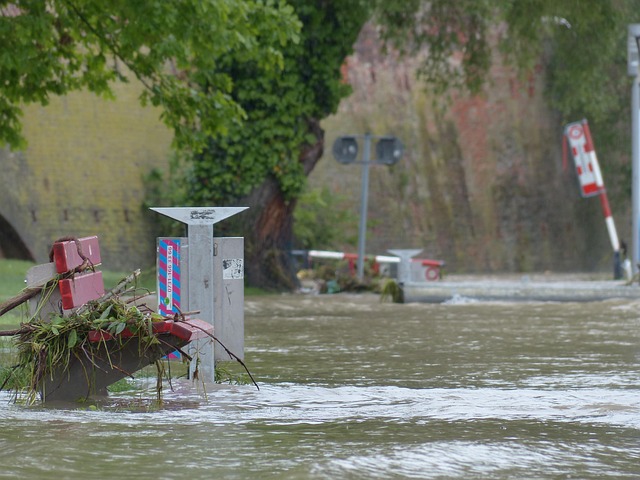








Basement flood cleanup requires immediate action for effective restoration. Key steps include early detection of water stains, musty odors, and structural damage through photo documentation. Turn off electricity, remove standing water, then address root causes by installing water barriers and improving drainage to prevent future flooding. Use specialized equipment like dehumidifiers, air movers, and vacuum systems to dry the basement thoroughly. Regular inspections, mold testing, and preventative measures like sealing entry points and using anti-mold treatments are crucial for natural, efficient basement flood cleanup and minimizing health risks.
Basements are the heart of many homes, yet they’re also vulnerable to flooding, posing significant risks and causing extensive damage. When these unforeseen events occur, prompt and professional basement flood cleanup is crucial to mitigate losses. In such situations, local basement flood recovery experts play an invaluable role, offering specialized knowledge and tailored solutions. Their expertise lies in not just restoring properties but also ensuring a healthy and safe environment through natural and effective cleanup methods. This article delves into the critical services provided by these specialists, providing homeowners with a comprehensive guide to navigate the aftermath of basement floods.
- Identifying Signs of Basement Flood Damage Naturally
- The Basics of Basement Flood Cleanup Techniques
- Expert Strategies for Efficient Basement Flood Recovery
- Natural Solutions for Restoring Your Basement After Flooding
Identifying Signs of Basement Flood Damage Naturally

Basement floods can cause significant damage, but recognizing signs of flood damage early is key to effective basement flood cleanup naturally. While some indicators are obvious, like visible water stains and sagging ceilings, others may require closer inspection. Experts recommend checking for musty odors, which often signal mold growth behind walls or under flooring. In Flatbush, swift flood removal is crucial to prevent long-term issues. Similarly, in Manhattan Beach and Williamsburg, basement flooding repair should not be delayed, as delays can lead to more extensive and costly restoration.
Natural signs also include warped doors and windows, which may indicate structural damage from the water pressure. Discolored or peeling paint can point to moisture intrusion, while bubbling or blistered wallpaper could suggest hidden water damage. Property Restoration of the Capital Region specialists emphasize that documenting these issues with photos is essential for insurance claims and accurate basement flood cleanup naturally planning. For instance, a study found that prompt flood restoration in residential areas can reduce repair costs by up to 25%, emphasizing the importance of swift action.
Additionally, pay attention to any changes in temperature or humidity levels within the basement. Elevated moisture levels contribute to faster mold growth and can indicate an ongoing water source. In terms of practical advice, experts suggest temporarily moving valuables and important documents to higher ground and ensuring electrical systems are turned off to prevent further hazards during the restoration process. Remember, early detection and swift action are vital for effective basement flood cleanup naturally and minimizing damage in Flatbush, Manhattan Beach, and Williamsburg.
The Basics of Basement Flood Cleanup Techniques

Basement flood cleanup requires specialized techniques to ensure effective removal of water, moisture, and potential damage. The initial step involves containing and extracting standing water as quickly as possible to minimize further harm. This is a critical phase, especially in areas like Manhattan, Brooklyn, and DUMBO where prompt action can prevent extensive mold growth and structural issues. Expert advice suggests implementing a vacuum system or professional-grade pumps for efficient extraction.
Once the visible water is removed, the real challenge lies in drying out your home thoroughly. Excess moisture not only damages belongings but also creates an ideal environment for mold to thrive. It’s essential to use advanced equipment like dehumidifiers and air movers to expedite the drying process. For instance, the optimal relative humidity level for a well-ventilated home is between 30% and 50%, which these tools help achieve. Property Restoration of the Capital Region emphasizes that this step should be monitored closely to ensure no hidden moisture remains, as even small remnants can lead to long-term issues.
After drying, a thorough inspection is crucial to identify any structural damage or potential sources of future water intrusion. This involves assessing walls, floors, and ceilings for warping, cracking, or discoloration. It’s also during this phase that experts recommend testing for mold, as hidden growth can be hazardous. In cases like the restoration after a museum flood in Brooklyn, delicate items require specialized restorative cleaning to preserve their integrity. This meticulous process involves careful packaging, cleaning, and, in some instances, reconstruction of affected artifacts.
The final step in basement flood cleanup naturally involves disinfecting and deodorizing the affected areas. This ensures that any remaining mold spores or bacteria are eliminated, preventing further health risks. Professional cleaners often use environmentally friendly products to achieve this while maintaining air quality. By following these comprehensive steps, homeowners can effectively restore their basements to a safe, livable condition, minimizing potential long-term damage and ensuring a healthier environment.
Expert Strategies for Efficient Basement Flood Recovery

Basement flood cleanup can be a daunting task, but with expert strategies, efficient recovery is achievable. In areas like Greenwich Village, East Village, and Carroll Gardens, where basement floods are not uncommon, local professionals have honed their skills in navigating these challenges. One of the most crucial aspects is addressing mold prevention in Manhattan’s older buildings, where water damage can quickly lead to fungal growth.
Experts emphasize the importance of rapid response, stating that immediate action within 24-48 hours can significantly minimize potential health risks and structural damage. The first step is to stop the water source, pump out excess moisture, and dry the area thoroughly. This is where local experts shine; they utilize advanced equipment for efficient drying and employ eco-friendly methods for basement flood cleanup, focusing on natural solutions to prevent mold. For instance, using dehumidifiers with HEPA filters can effectively remove moisture and allergens simultaneously.
In addition to prompt action, proper mold prevention techniques are vital. This involves not only removing visible mold but also addressing the underlying causes, such as poor ventilation and leaks. The team at Property Restoration of the Capital Region suggests implementing a comprehensive plan that includes regular inspections, sealing entry points for water, and using anti-mold treatments. By combining these expert strategies with natural cleanup methods, homeowners can effectively restore their basements to safe, livable spaces, ensuring a healthier environment for residents.
Natural Solutions for Restoring Your Basement After Flooding

Basement flooding can be a devastating experience for homeowners, but there are natural solutions to effectively restore your basement after flooding occurs. In areas like Crown Heights, Queens, where basement flooding is a recurrent issue, local experts play a crucial role in mitigating damage and facilitating recovery. Property Restoration of the Capital Region, for instance, has honed its expertise in basement flood cleanup naturally, providing homeowners with peace of mind during challenging times.
One of the primary steps in natural basement flood restoration is quick action. Time is of essence as it minimizes mold growth and structural damage. Upon noticing water intrusion, homeowners should immediately turn off electricity to affected areas and begin evacuation processes. Next, remove as much standing water as possible using buckets or pumps to prevent further seepage into porous materials. This initial response can significantly impact the overall restoration process.
Following immediate flood cleanup, addressing the root cause of basement flooding becomes paramount. In Lower East Side and beyond, local experts often recommend implementing preventive measures like installing water barriers and improving drainage systems. Water barriers seal cracks and crevices, stopping water from seeping in during heavy rainstorms. Improved drainage systems ensure excess stormwater is directed away from your foundation, reducing the likelihood of basement flooding. These natural solutions not only protect against future damage but also contribute to a healthier living environment.
By delving into the comprehensive guide on basement flood cleanup naturally, readers gain invaluable insights into navigating this challenging situation with expertise. Key takeaways include identifying subtle signs of damage, understanding effective cleanup techniques, leveraging expert strategies for swift recovery, and exploring natural restoration solutions. This knowledge equips homeowners to tackle basement flooding head-on, ensuring not only property preservation but also a healthier, more sustainable environment. With practical next steps firmly in place, readers are empowered to implement these strategies effectively, turning potential disasters into manageable, even transformative, experiences.