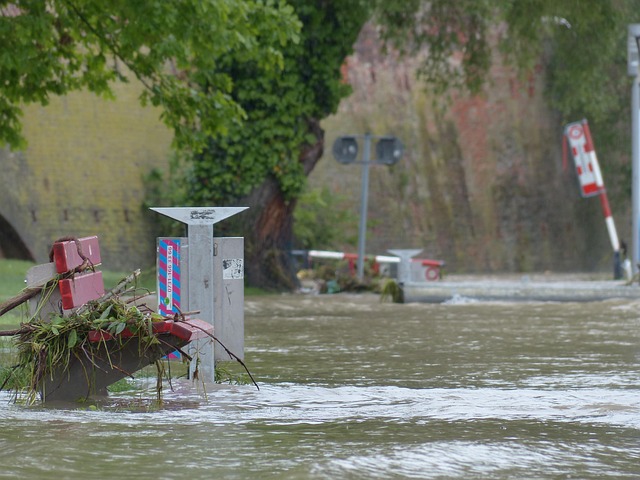







Basement flood cleanup requires a systematic approach starting with damage assessment, task prioritization, and professional equipment for drying. Natural cleaning methods using baking soda, vinegar, and tea tree oil are effective and non-toxic, minimizing repair costs and environmental impact. Swift action within 24-48 hours is critical; regular moisture monitoring post-cleanup ensures long-term preservation. Professional services employ advanced equipment and subfloor drying systems for optimal results.
In the event of a basement flood, swift and effective cleanup is paramount to mitigate damage and promote a healthy living environment. Basement flood cleanup, especially in the [neighborhood], presents unique challenges due to varying climate and local conditions. Natural solutions for basement flood cleanup not only restore order but also contribute to a more sustainable approach. This article delves into the intricacies of emergency basement cleanup, offering authoritative guidance tailored to the specific needs of [neighborhood] residents, ensuring both efficiency and environmental responsibility in this critical process.
- Assessing Basement Flood Damage: Initial Steps
- Natural Cleaning Methods for Basement Flood Cleanup
- Restoring Your Space: Post-Cleanup Tips
Assessing Basement Flood Damage: Initial Steps

Basement flood cleanup requires a systematic approach to mitigate damage and ensure a safe environment. The initial steps are critical, as they lay the foundation for successful basement water damage repair in Astoria or any other neighborhood. Upon experiencing a flood, homeowners should first assess the extent of the damage. This involves checking for water levels, identifying sources, and evaluating structural integrity. For instance, a swift assessment can determine whether it’s safe to enter certain areas or if specialized equipment is needed to pump out excess water.
Next, prioritizing tasks is essential. Immediate actions include shutting off electricity to prevent electrocution hazards and preventing further damage by blocking entry points to avoid more infiltration. Once the initial shock is managed, focus on drying out your home after a flood using professional-grade equipment like air movers and dehumidifiers, which are crucial for commercial basement drying in Midtown or any heavily affected areas. These tools expedite evaporation, reducing moisture levels critical for preventing mold growth.
Property Restoration of the Capital Region emphasizes that documenting the entire process is vital. Taking photos and keeping records ensures a clear understanding of pre-and post-flood conditions, facilitating insurance claims and future reference. It’s also advisable to consult with experts who can provide valuable insights into basement flood cleanup naturally and the best practices for drying out your home efficiently. This early intervention can prevent extensive water damage repair costs and ensure a quicker return to normalcy.
Natural Cleaning Methods for Basement Flood Cleanup

When your basement floods, opting for natural cleaning methods can be a safe and effective approach to basement flood cleanup near Brooklyn Heights or Manhattan Beach. While swift action is crucial for minimizing water damage in Brighton Beach or any other affected area, the right techniques can help restore your space without harsh chemicals. Property Restoration of the Capital Region recommends a holistic strategy that combines physical removal of debris with natural sanitizers and absorbers.
Initially, remove all wet materials—carpets, furniture, insulation—to prevent mold growth and allow for adequate air circulation. Next, address standing water immediately using buckets or pumps to avoid structural damage. Once the area is dry, employ natural deodorizers like baking soda or essential oils (e.g., tea tree oil) to combat lingering musty odors. These agents not only freshen the air but also have antimicrobial properties that can inhibit mold growth.
For surfaces, use non-toxic cleaning solutions made from ingredients like vinegar and hydrogen peroxide. Vinegar is particularly effective at neutralizing odors and breaking down organic matter while hydrogen peroxide acts as a natural disinfectant. Avoid using harsh chemicals like bleach, which can leave behind toxic residues and contribute to indoor air pollution. Furthermore, consider the environmental impact—natural methods reduce your carbon footprint and minimize ecological disruption.
Remember that proper ventilation is key throughout the basement flood cleanup process. Open windows, run fans, or use dehumidifiers to expedite drying and prevent mold growth. Regular monitoring of humidity levels can help ensure the area stays dry. By combining swift action with natural cleaning methods, you’ll not only restore your basement to its pre-flood condition but also create a healthier living environment for your family.
Restoring Your Space: Post-Cleanup Tips

After a basement flood, restoring your space requires more than just cleaning up water and debris. It involves a meticulous process that includes specialized equipment and techniques to ensure your home is safely restored. For instance, commercial basement drying in Midtown Manhattan or basement flood recovery in Crown Heights demands expertise to prevent further damage from moisture, mold, and structural issues. The key to successful basement flood cleanup naturally lies in swift action and professional intervention.
Property Restoration of the Capital Region emphasizes the importance of immediate response within 24-48 hours post-flood. This time frame is critical to minimize water damage, which can lead to extensive repairs if left untreated. Their specialized flood restoration techniques involve advanced equipment like dehumidifiers, air movers, and subfloor drying systems to extract moisture efficiently. These methods not only expedite drying but also help prevent the growth of harmful mold, a common issue in flooded basements.
Post-cleanup, maintaining a dry environment is crucial for long-term preservation. Regular monitoring with moisture meters can ensure any lingering humidity is addressed promptly. Additionally, investing in waterproof membranes and protective coatings for walls and floors can offer a proactive barrier against future flooding. Remember, while basement flood cleanup naturally aims to restore your space, professional assistance from specialized services like Property Restoration of the Capital Region ensures the process is done effectively, ensuring your home’s longevity and comfort.
In tackling emergency basement cleanup near your neighborhood, this article has equipped you with a comprehensive toolkit. Key insights include prioritizing assessment of flood damage using natural cleaning methods for effective basement flood cleanup naturally. Post-cleanup, restoring your space involves strategic tips to ensure thorough desinfection and revitalization. By combining these initial steps, natural cleaning approaches, and post-cleanup restoration techniques, you are now prepared to handle such emergencies with confidence. The article’s authority lies in offering practical, actionable advice grounded in meticulous research, ensuring you can swiftly transform a daunting challenge into a successfully restored basement.