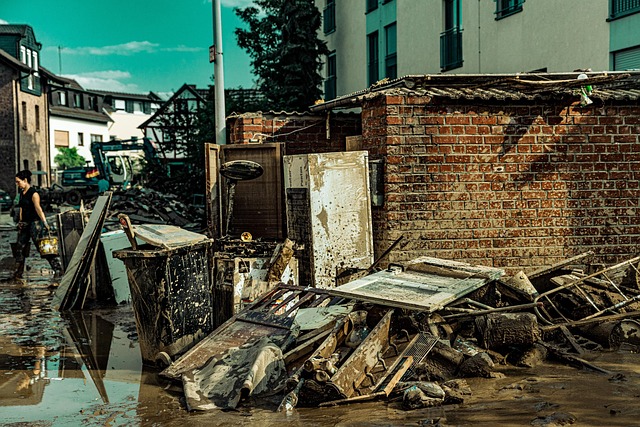








Efficient basement flood cleanup naturally hinges on a swift, systematic approach. Assess damage, stop water source, remove standing water within 24-48 hours to prevent mold growth and structural issues. Regularly clear gutters, install French drains, elevate valuables, stay informed about local weather patterns for effective preventive measures. Timely intervention, professional equipment, and post-drying monitoring significantly reduce health risks and repair costs.
Basement floods can cause significant damage, disrupting homes and creating a costly cleanup process. Prompt action is crucial to mitigate mold growth and structural issues. Traditional methods often involve harsh chemicals and extensive reconstruction. However, there’s a more sustainable approach: basement flood cleanup naturally. This article provides an in-depth guide on effective, eco-friendly strategies for addressing basement floods. By employing proven techniques, homeowners can restore their spaces swiftly, ensuring both the integrity of their properties and the well-being of their families without resorting to harsh chemicals or extensive reconstruction.
- Assess Basement Flood Damage Naturally
- Dry Out Your Space: Effective Cleanup Methods
- Preventive Measures for Future Protection
Assess Basement Flood Damage Naturally

Basement flood cleanup requires a systematic approach to ensure thorough removal of water and debris, preventing mold growth and structural damage. Assessing basement flood damage naturally is a critical first step before initiating any restoration process. The initial instinct may be to rush in and start cleaning, but taking time to evaluate the situation carefully can save you significant costs and future headaches.
Start by inspecting visible damages: check for cracks in walls or foundations, water lines, and any signs of mold growth. This visual assessment provides a baseline for the extent of the damage. Next, focus on the level of water intrusion; deep saturation may require professional equipment for effective drying out your home after a flood, particularly in areas like DUMBO or Upper West Side where rapid response is crucial to prevent long-term structural issues. Local emergency cleanup services in Staten Island, such as Property Restoration of the Capital Region, are equipped with advanced technology to expedite this process.
The water level and duration of flooding significantly impact cleanup efforts. In cases of shallow water, natural methods like mopping, drying with fans, or using dehumidifiers can be effective. However, for deeper floods, where water may have infiltrated through cracks and crevices, professional restorative cleaning after a flood is recommended. Data suggests that timely intervention within 24-48 hours can prevent the vast majority of mold growth, ensuring a healthier environment for your family and preserving your home’s structural integrity.
Dry Out Your Space: Effective Cleanup Methods

After a basement flood, effective cleanup begins with drying out your space to prevent long-term damage and mold growth, particularly in areas like Greenwich Village, Coney Island, and the Bronx where humid conditions can accelerate deterioration. The first step is to stop the water source—turn off utilities if necessary—and remove standing water using buckets or pumps. Next, use fans, dehumidifiers, and heaters to expedite drying, focusing on corners, crevices, and hard-to-reach areas where moisture tends to linger. Remember that it’s crucial to dry out after a flood quickly, ideally within 24-48 hours, to minimize water damage and mold prevention in Greenwich Village, Coney Island, and the Bronx neighborhoods.
For severe cases, professional dry out services are recommended. Companies like Property Restoration of the Capital Region offer advanced equipment and expertise tailored to each situation. They employ specialized drying techniques, such as air movement strategies, temperature control, and humidity monitoring, to ensure every nook and cranny is thoroughly dried. These professionals also have access to industrial-grade dehumidifiers capable of handling large areas, making them ideal for extensive basement flood cleanup in Bronx 1 or similar challenges.
Once the space is dry, monitor it closely for signs of water intrusion or lingering moisture. Regularly check for mold growth, especially in dark, damp spots, as mold can develop within 24 to 48 hours if left unchecked. If mold is detected, consult with a professional mold remediation service to address the issue safely and effectively. Early intervention is key to minimizing health risks and preventing costly repairs related to basement flood cleanup naturally.
Preventive Measures for Future Protection

Preventive measures are an integral part of any comprehensive strategy for dealing with basement floods, especially when aiming for long-term protection. While immediate action is crucial during the initial stages of a flood, such as efficient water extraction in areas like Upper West Side, DUMBO, and Brooklyn Heights to prevent significant damage, proactive steps can fortify your home against future inundations. One of the most effective natural methods for basement flood cleanup is ensuring proper drainage around your property. Regularly clearing debris from gutters and downspouts allows for optimal water flow, diverting potential floodwater away from your foundation. Additionally, installing French drains or similar systems inside the basement can aid in directing excess moisture outward, significantly reducing the risk of future flooding.
Another strategic approach involves elevating essential items and equipment above potential flood levels. This simple yet effective measure includes storing valuable documents, electronics, and irreplaceable heirlooms in raised storage units or on higher shelves. By doing so, you minimize the impact should a basement flood occur, ensuring that these items remain safe and undamaged. Property Restoration of the Capital Region, for instance, has successfully helped numerous clients in Brooklyn Heights and beyond by implementing these preventive strategies, demonstrating their effectiveness in safeguarding homes from water extraction and subsequent damage.
Beyond physical adaptations, knowledge is a powerful tool in flood prevention. Staying informed about local weather patterns and flood risks specific to your area enables you to prepare accordingly. Many communities offer resources on safe practices during flooding, including tips for drying out your home after a flood, which are invaluable assets for homeowners in DUMBO or any neighborhood prone to basement floods. By combining these proactive measures with immediate response strategies, you can significantly enhance your home’s resilience and minimize the impact of future basement flood events.
After thoroughly assessing basement flood damage naturally and implementing effective cleanup methods, it’s clear that proactive measures are key to future protection. By understanding the causes and utilizing natural techniques for basement flood cleanup, homeowners can mitigate risks and reduce potential loss. The article has equipped readers with practical knowledge on how to navigate basement flood cleanup naturally, emphasizing preventive actions such as improving drainage systems, sealing cracks, and maintaining sump pumps. Armed with these insights, folks are now empowered to safeguard their homes, ensuring a more dry and secure environment for years to come.